Bioactive Formicarium Guide Australia
How to build a bioactive ant setup with substrate, plants, springtails, isopods and moisture control — without making a mould farm with ants in it.
A bioactive formicarium can be beautiful: plants, soil, cleanup crew, natural foraging and a setup that feels alive. It can also become a damp mystery box full of mould, mites and a queen you can no longer find. Bioactive is not “easy mode”. It is “more variables mode”.
Quick answer
A bioactive ant setup uses substrate, microfauna such as springtails or isopods, and sometimes plants to create a more natural enclosure. Start with an outworld, not the main nest, quarantine all live materials, control moisture carefully, and use springtails as mould-management helpers — not magic cleaners.
What “bioactive” means
Bioactive setups use living components to help break down waste and maintain a small ecosystem. In reptile and terrarium keeping, springtails and isopods are common cleanup crews. In ant keeping, they can help, but ants add complications: they may eat cleanup crew, move substrate, block entrances or disappear underground.
Best beginner approach
Make the outworld bioactive first. Keep the actual nest controlled and visible. That gives ants a natural foraging space without hiding the queen and brood in a soil bunker.
Core components
| Component | Purpose | Risk |
|---|---|---|
| Substrate | Natural floor, moisture holding | Mould, mites, collapse, hiding pests |
| Springtails | Eat mould/decaying matter | Need moisture; may not thrive in all setups |
| Isopods | Break down organic waste | May compete, disturb or be eaten |
| Plants | Display and humidity | Pests, roots, watering complexity |
| Leaf litter/wood | Cover and microhabitat | Must be clean/quarantined |
Substrate basics
A useful bioactive substrate usually balances drainage, moisture and structure. Too wet and you get mould. Too dry and cleanup crews crash. Too loose and ants dig everywhere. Too compact and roots/microfauna struggle.
- quarantine substrate before use
- avoid unknown sprayed soil
- consider coco fibre, sand, clay, leaf litter or safe terrarium mixes depending setup
- keep nest entrances clear
- avoid deep substrate for tiny colonies if you need visibility
Springtails and isopods
Springtails are commonly used because they consume mould and decaying organic matter. They are especially useful in damp microhabitats. Isopods can help break down waste and leaf litter, but they are larger and may not suit every ant setup.
Cleanup crews are helpers, not unpaid interns who fix every mistake. Overfeeding, poor ventilation and swampy substrate will beat them eventually.
Plants
Plants can make an outworld look excellent, but they add watering, light and pest risks. Choose small, hardy plants and quarantine them. Avoid fertilisers, pesticides and soil of unknown origin.
Moisture control
Bioactive setups live or die by moisture balance. Springtails need moisture, ants need species-appropriate conditions, and mould loves excess water. Use a moisture gradient if possible: damp zones for microfauna, drier zones for ants and foraging.
Species suitability
- Large established colonies are easier than tiny founding colonies.
- Tiny escape-prone species complicate planted/soil setups.
- Stinging species need safe maintenance access.
- Digging species may vanish into substrate.
- Dry-climate species may not suit damp bioactive setups.
Setup checklist
- Build and run the bioactive outworld without ants first.
- Watch for mould, mites, gnats or bad smells.
- Add cleanup crew and let it establish.
- Connect only when conditions are stable.
- Keep the main nest visible and controllable.
- Feed on trays so leftovers can be removed.
Common mistakes
- adding garden soil straight into the setup
- making the founding nest bioactive too early
- overwatering plants
- assuming springtails fix rotten food
- using deep substrate with a queen you need to monitor
- forgetting quarantine because “it looks natural”
Related guides
- Quarantine New Ants, Feeders & Plants
- Mould in an Ant Nest
- Preventing Mites
- Ant Nests 101
- Ant Feeding Guide
Sources and further reading checked
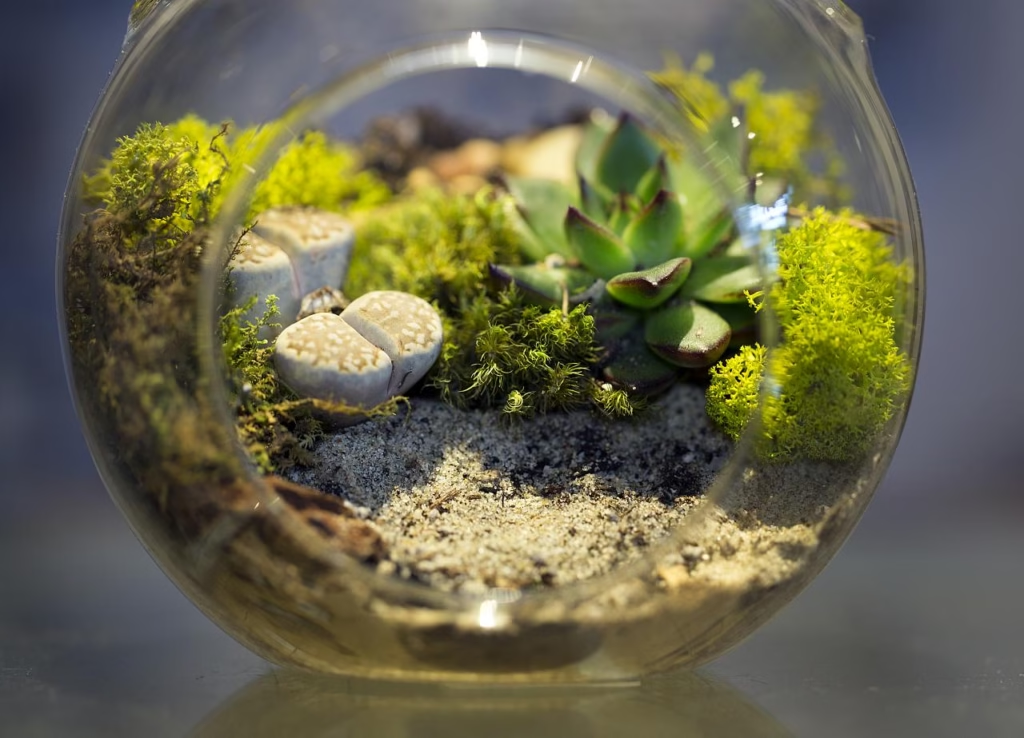
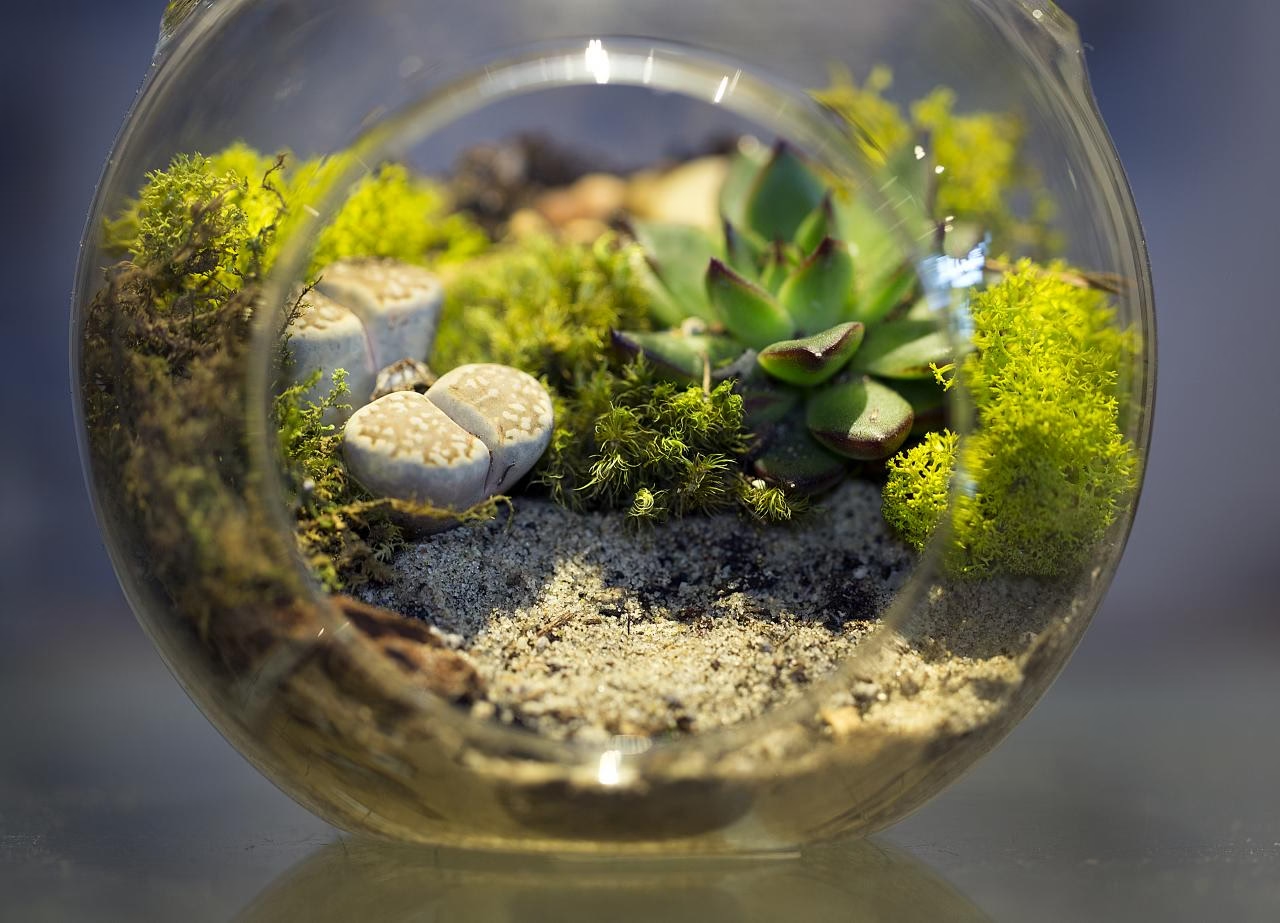
- Hero image: Terrarium small.jpg by christopher via Wikimedia Commons/Flickr, licensed under CC BY 2.0.
- The Bio Dude — springtails in bioactive habitats
- Exo Terra — bioactive cleanup crew
- Modernrium — isopods and springtails

Bottom line
Bioactive ant setups are best treated as an advanced outworld project, not a first founding setup. Quarantine everything, keep moisture controlled, use cleanup crew as helpers, and do not hide your queen in a dirt mansion unless you are comfortable not seeing her for a while.