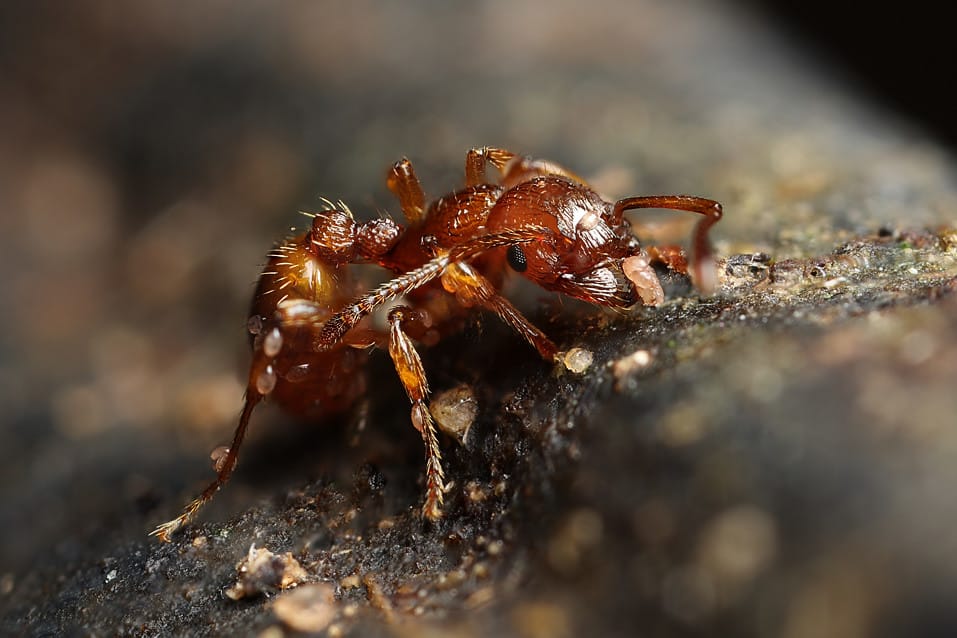
Preventing mites is one of the most important parts of long‑term ant husbandry in Australia. This guide explains how to spot infestations early, stop mites before they start, and use welfare‑first removal methods when needed. It’s written for hobbyists and focuses on practical, Australia‑relevant steps to keeping colonies healthy. The phrase “preventing mites” appears throughout as the core aim: stop hitchhikers, reduce sources and act fast when you see signs.
Quick navigation: Diagnostic checklist • Prevention • Treatment • Photo checklist • FAQ
Quick checklist (if you’re short on time)
- Quarantine any wild queens or new colonies for 2–4 weeks; extend to 6–8 weeks for high‑value colonies.
- Freeze feeder insects at −18°C for 48–72 hours before feeding; 72 hours is safest for eggs and hitchhikers.
- Store dry foods in airtight containers; clear away dead ants and uneaten food promptly.
- Inspect colonies weekly with a magnifier or phone macro lens; take dated photos for comparison.
- If you find mites: isolate the setup, follow the diagnostic checklist and apply species‑appropriate removal (test‑tube transfer, careful drying where safe, predatory mites or manual removal).
What are mites and why preventing mites matters
Mites are tiny arachnids that appear in ant keeping in several roles: harmless scavengers, useful predators and harmful parasites. Parasitic mites can attach to ants and feed on haemolymph, causing weakness, abnormal behaviour and, in severe cases, worker or queen death. Grain or feeder mites arrive on food and overwhelm feeder cultures or outworld substrate. Preventing mites relies on basic hygiene, careful sourcing and routine inspection rather than dramatic chemical fixes.
How to spot an infestation early (diagnostic flowchart & checklist)
Early detection is the difference between a quick fix and a colony restart. Use a magnifier (10–30×) or a phone macro lens and keep dated photos for comparison. Work methodically—don’t jump to drastic steps until you know what you’re dealing with.
Signs to check
On the ants
- Small moving dots on legs, gaster or thorax (white/cream, red/brown or dark); check joints and under the gaster.
- Increased grooming, ants isolating themselves, reduced activity or unusual clustering.
- Unexpected worker deaths, brood being ignored, or ants appearing thin or dehydrated.
In the nest and outworld
- Mites on feeder insects or clustered on dry food.
- Aggregations on substrate, nest walls, cotton plugs or test‑tube mouths.
- Small specks moving near brood clumps or dead ants showing feeding marks.
Short diagnostic checklist
- Do you see tiny moving dots on ants or substrate? If yes, take multiple close macro photos (different angles) and isolate the setup immediately.
- If the dots move with the ant and are attached at joints, underside or gaster → likely parasitic mites. Proceed to the Immediate actions below.
- If the dots are mainly on feeder insects or dry food and not on live ants → likely grain/feeder mites. Discard affected food and deep‑clean storage.
- If the dots are mostly in old substrate or on dead material and not bothering live ants → likely scavenger mites; clean the nest and consider predatory mites for control if needed.
- If unsure: share clear photos (see photo checklist below) and a short quarantine log with an experienced ant‑keeping community or an entomologist before aggressive treatment.
Immediate actions (if parasitic mites are suspected): isolate the setup, reduce handling, do NOT mix with other colonies, and keep a short log (dates, symptoms, actions) plus good photos for later reference.
Preventing mites: stop infestations before they start
Prevention is the most reliable strategy. The single biggest risk factors are unquarantined wild captures, contaminated feeder insects or substrate, and shared or poorly cleaned tools. Below are concrete, Australia‑relevant steps for preventing mites.
Quarantine and collection — step‑by‑step (2–4 week protocol)
- Set up a dedicated quarantine area away from other colonies. Use separate labelled tools—tweezers, paintbrushes and aspirators reserved for quarantine only.
- Prepare a fresh test tube or mini nest and a small outworld before collecting the queen/colony. See the Test Tube Setup for Queen Ants guide for a full walk‑through.
- Transfer the queen/colony into the quarantine setup and keep a paper or digital log with dates for checks and actions.
- Week 1: inspect daily, photograph, feed minimally and remove dead ants immediately.
- Week 2: continue daily–every‑other‑day inspections. If you see mites, do a gentle test‑tube transfer to a clean tube and consider predatory mites in the outworld if appropriate for the species.
- Weeks 3–4: if repeated inspections are clear, you may reintroduce communal tools gradually. For high‑value colonies, keep quarantine for 6–8 weeks.
Keep tools physically separated (different boxes or labelled bags) to reduce accidental cross‑contamination.
Food and feeder insect hygiene
- Freeze feeders at −18°C for 48–72 hours before use; 72 hours is safest for killing eggs and hitchhikers. Thaw in a sealed container and inspect before offering.
- Quarantine new live feeder cultures for 1–2 weeks and inspect frequently. If mites appear, discard or freeze the whole culture—do not introduce questionable live feeders to colonies.
- Store dry foods (seed mixes, powdered diets, sugar) in sealed jars or thick plastic tubs and inspect monthly for grain mites. Rotate stock—avoid long‑open bags.
- For balanced feeding ideas that reduce risk, see the Ultimate Ant Feeding Guide.
Substrate and materials
- Avoid unsterilised soil, leaf litter or untreated wood. Sterilise natural materials by baking at 80–100°C for 30–60 minutes (where safe) or by boiling, then cool and store sealed.
- Buy nest material from reputable suppliers and clean second‑hand gear thoroughly before use. For bioactive setups, follow established bioactive protocols to reduce hitchhikers—see our Bioactive Formicarium guide for substrate and cleanup‑crew notes.
Routine hygiene
- Remove uneaten food and dead ants promptly—daily for busy outworlds.
- Keep feeder cultures, outworlds and workspace tidy—many reintroductions come from sloppy feeding or mixed equipment.
- Label and separate tools for different colonies to avoid cross‑contamination.
Safe methods to remove mites (step‑by‑step)
Choice of method depends on mite type, colony size and infestation severity. The following hobbyist‑friendly methods prioritise ant welfare and minimise chemical exposure.
Method A — Test‑tube transfer (best for founding queens and small colonies)
- Prepare a fresh tube: clean glass/test tube, fresh water reservoir with cotton, a small paper shelter and a dark covering (foil or dark tape).
- Position the new tube close to the old tube opening in dim light. Tilt the old tube so ants can walk into the new dark tube—do not shake or tap hard.
- If they don’t move, use a soft paintbrush or aspirator to encourage transfer. Move brood and queen if visible; brood will help persuade workers to relocate.
- Leave the old tube open in a safe place—mites and debris left behind will generally die without hosts.
For full test‑tube best practice, cross‑check the Test Tube Setup for Queen Ants instructions.
Method B — Gradual drying (only for dry‑tolerant species)
Some pest mites prefer higher humidity. Carefully reducing moisture can suppress them, but only for species that tolerate drier conditions.
- Lower relative humidity slowly: aim for a 10–20 percentage‑point reduction over several days rather than an abrupt drop.
- Drying methods: reduce surface water in the nest, increase ventilation, use a dehumidifier or raise daytime temperature by 2–4°C to encourage evaporation.
- Monitor ants for stress: slowed movement, brood desiccation or brood abandonment—reverse changes immediately if harm appears.
Drying is generally suitable for drier tolerant genera such as many Iridomyrmex; see the Meat Ant (Iridomyrmex purpureus) care guide for species notes that inform moisture decisions.
Method C — Biological control with predatory mites (Stratiolaelaps scimitus)
Certain predatory mites eat pest mites and are used in greenhouses and vivaria. They can be a useful part of an integrated approach when sourced and introduced carefully.
- Where to source: Australian greenhouse biocontrol suppliers, reptile/vivarium retailers or horticulture outlets. Verify the scientific name (e.g. Stratiolaelaps scimitus), pack size and storage/dispatch temperature before buying.
- Introduction: sprinkle predatory mites into outworld substrate and near feeding areas. They prefer moderate humidity and will not establish in very dry setups.
- Legality and containment: confirm state regulations and keep predators contained—do not release live biocontrol into the environment.
Method D — Manual removal
- For light, localised parasitism: isolate affected ants and use a fine, slightly damp paintbrush or moistened cotton bud to remove mites individually.
- If many workers are heavily parasitised and unlikely to recover, humane removal of badly affected workers may be necessary—seek advice from experienced keepers if unsure.
Method E — Barriers and containment
- Fluon on outworld walls prevents ants and many crawling pests from reaching certain surfaces—see our Ant Escape‑Proofing 101 guide for barrier tips.
- Talc or pharmaceutical‑grade baby powder can act as a dry barrier when used sparingly and kept out of the nest interior.
- Diatomaceous earth is abrasive and may dry brood; use only where ants cannot track it into the nest and avoid inhalation risks.
Always prioritise ant welfare; avoid household pesticides that can harm ants, brood and queens.
Cleaning and disinfecting equipment (temps & times)
Proper cleaning avoids reintroduction of mites. Practical methods:
- Glass and hard plastics: soak in hot soapy water, scrub, rinse and air dry. Wipe with 70% ethanol for extra disinfection—allow ethanol to evaporate fully before reuse.
- Test tubes: boil in water for 5–10 minutes or bake at 100°C for 20–30 minutes (glass only). Avoid thermal shock—let glass cool slowly.
- Natural wood and stones: boil for 10–30 minutes or bake at 80–100°C for 30–60 minutes where materials tolerate heat; some items may crack so test carefully.
- Plaster nests: replace heavily infested plaster; porous plaster can hide mites and is hard to sterilise fully.
- Substrate: replace heavily infested substrate. For light infestations, drying and sieving may reduce numbers but replacement is safest.
Species‑sensitive notes for common Australian genera
Treatments must match the species’ tolerance to humidity and stress. The following are conservative hobbyist guidelines; consult species guides for more detail.
Iridomyrmex (Meat ants and similar)
- Typical hobby range: 22–30°C, RH 25–45% (drier, warmer conditions).
- Treatment: gradual drying often works; test‑tube transfer is effective for founders.
- See the Meat Ant care guide for species notes that inform mite management choices.
Camponotus (carpenter and banded sugar ants)
- Typical hobby range: 18–26°C, RH 40–60% for many species.
- Treatment: test‑tube transfer is a safe first step; drying must be cautious.
- See the Banded Sugar Ant care guide for species‑specific cautions.
Polyrhachis (golden spiny and relatives)
- Typical hobby range: many species prefer cooler, higher humidity microhabitats (often 18–24°C and RH 60–80%).
- Treatment: avoid drying; prefer gentle transfers and manual removal. Predatory mites that tolerate moisture are a better option if needed.
- See the Golden Spiny Ant guide for humidity needs.
Ochetellus (black household ant)
- Typical hobby range: generalist—many species tolerate 18–26°C and RH 30–60%.
- Treatment: outworld hygiene and feeder control are especially useful; both drying and transfer can work depending on stage.
- See the Black Household Ant care guide for more on husbandry and common problems.
When to consider restarting or seeking specialist advice
Consider restarting or asking for help if many workers are dying, the queen is affected, or infestations recur despite good biosecurity.
- Move healthy workers and brood into a fresh clean setup (test tube + outworld) and leave the old setup to clear of mites.
- Rescue the queen into a new tube if the colony is beyond salvage—work fast and gently. See our guide on Moving Your Queen Ant from the Founding Stage to a Formicarium for transfer tips beyond the test‑tube.
- Seek identification help: post clear close‑ups and your quarantine log to ant‑keeping forums, local clubs or contact a university entomology extension for ID assistance.
Simple rules of thumb for hobbyists:
- <~10% of workers affected and queen healthy → try test‑tube transfer + manual removal + predatory mites.
- ~10–50% affected or persistent re‑infestation → isolate, move healthy brood/workers, replace substrate and consider predatory mites.
- >50% affected or queen parasitised → rescue the queen if possible; otherwise accept restart and tighten biosecurity.
Photo submission checklist for identification
Good photos greatly speed accurate ID. When asking for help, include:
- Close‑up of the suspect mite attached to an ant (if safe), from the side and top. Use a macro lens or 10–30× magnifier.
- Whole body side view of the ant showing size and profile (include a scale: ruler or coin near but not touching the ant).
- Wide shot of the brood clump and nest interior or test‑tube mouth for context.
- Photos of affected feeder insects, dry food or substrate where mites are present.
- Technical tips: steady camera (tripod or steady hand), diffuse lighting (no harsh shadows), high‑resolution JPG or PNG, and date the files. Add a short description: species (if known), colony size, quarantine start date and treatments tried.
Supplies & practical sourcing guidance (Australia)
- Magnifying glass (10–30×) or phone macro lens, fresh test tubes and cotton plugs, soft paintbrushes, aspirator and fine forceps.
- Clean outworlds, airtight food storage containers and labelled quarantine tools.
- For predatory mites and live biocontrol: search Australian greenhouse biocontrol suppliers, reptile/vivarium retailers and horticulture outlets. Verify the scientific name (e.g. Stratiolaelaps scimitus), pack size, storage/dispatch temperatures and live‑arrival policies before buying.
- If unsure about suppliers, ask your local ant club, regional reptile store or a horticultural nursery for up‑to‑date recommendations—community experience is valuable.
FAQ
Q: How long should I quarantine a wild queen?
A: A minimum of 2–4 weeks is standard; 6–8 weeks gives extra safety if you plan to introduce her to other colonies. Inspect and photograph regularly.
Q: Will freezing feeder insects reduce their nutritional value?
A: Freezing at −18°C for 48–72 hours is standard and does not significantly reduce general nutritional value for ants. Thaw and inspect feeders before offering.
Q: Can I use household pesticides to kill mites?
A: No—household pesticides may harm ants, brood and queens and contaminate the nest. Stick to mechanical, hygienic or biological control methods described above.
Q: How can I take useful ID photos?
A: Use a macro lens or magnifier, steady the subject, use diffuse light, include a scale reference (ruler or coin) and take multiple angles—legs, gaster and nest substrate. Include a short quarantine log when you request help.
Further reading & references
Authoritative background on mites and biological control is available from national and state entomology extension resources (for example, CSIRO publications on mite pests and biological control and your state Department of Primary Industries/horticulture extension). University extension factsheets and greenhouse biocontrol product information for Stratiolaelaps are useful for technical details on predatory mite use and safe handling.
Change log / final encouragement
Updated 2026‑03‑31: clarified headings, tightened quarantine and treatment steps, added internal links to related care and setup guides, and improved navigation anchors for the diagnostic checklist, photo checklist and FAQ. Preventing mites is mainly about good habits—quarantine, frozen feeders, tidy feeding and quick isolation. Document what you see, act calmly, and use community or extension resources when unsure. Happy, mite‑free keeping!

Hello there! I know this is kinda off topic however I’d figured I’d ask. Would you be interested in exchanging links or maybe guest writing a blog post or vice-versa? My website goes over a lot of the same topics as yours and I feel we could greatly benefit from each other. If you are interested feel free to send me an e-mail. I look forward to hearing from you! Terrific blog by the way!