
Meat Ant Care Guide: Iridomyrmex purpureus in Australia
A practical Australian guide to meat ant queen founding, feeding, housing, containment and why Iridomyrmex purpureus is not a simple beginner species.
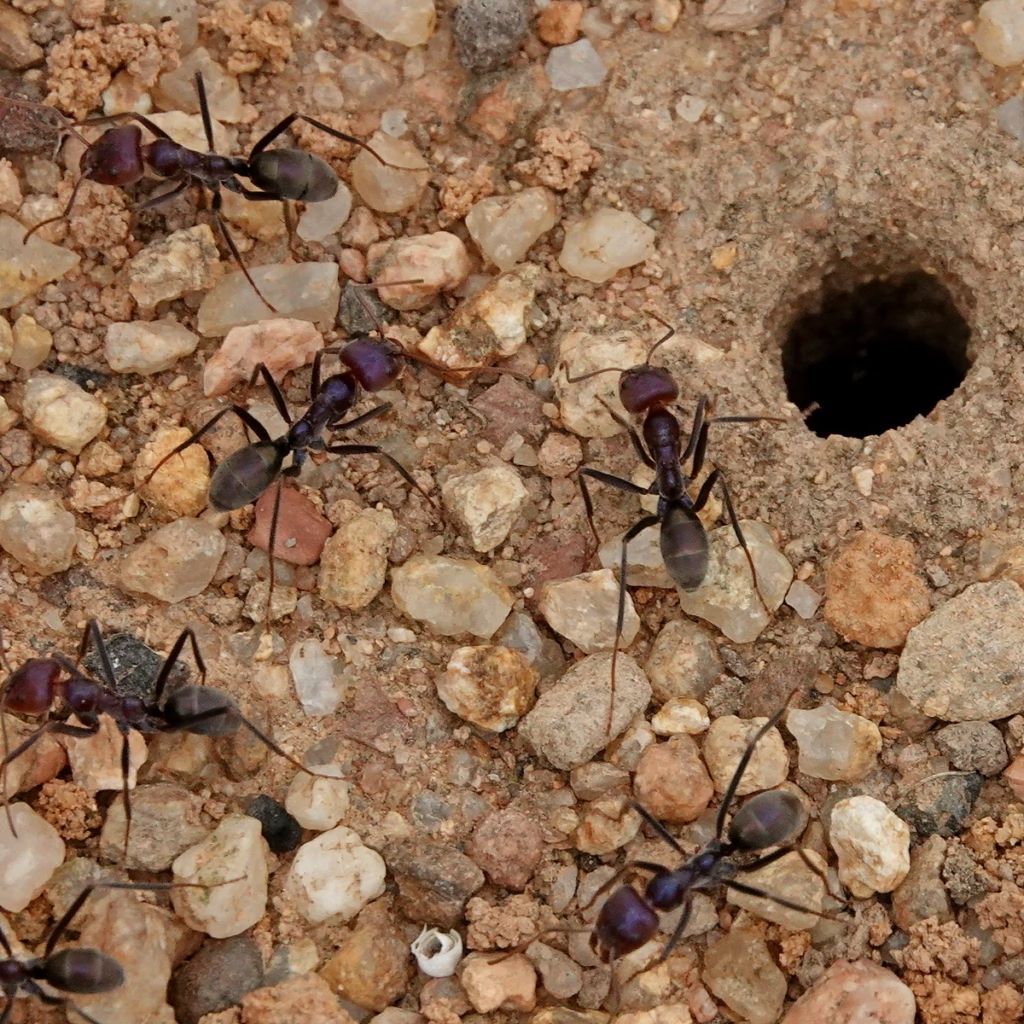
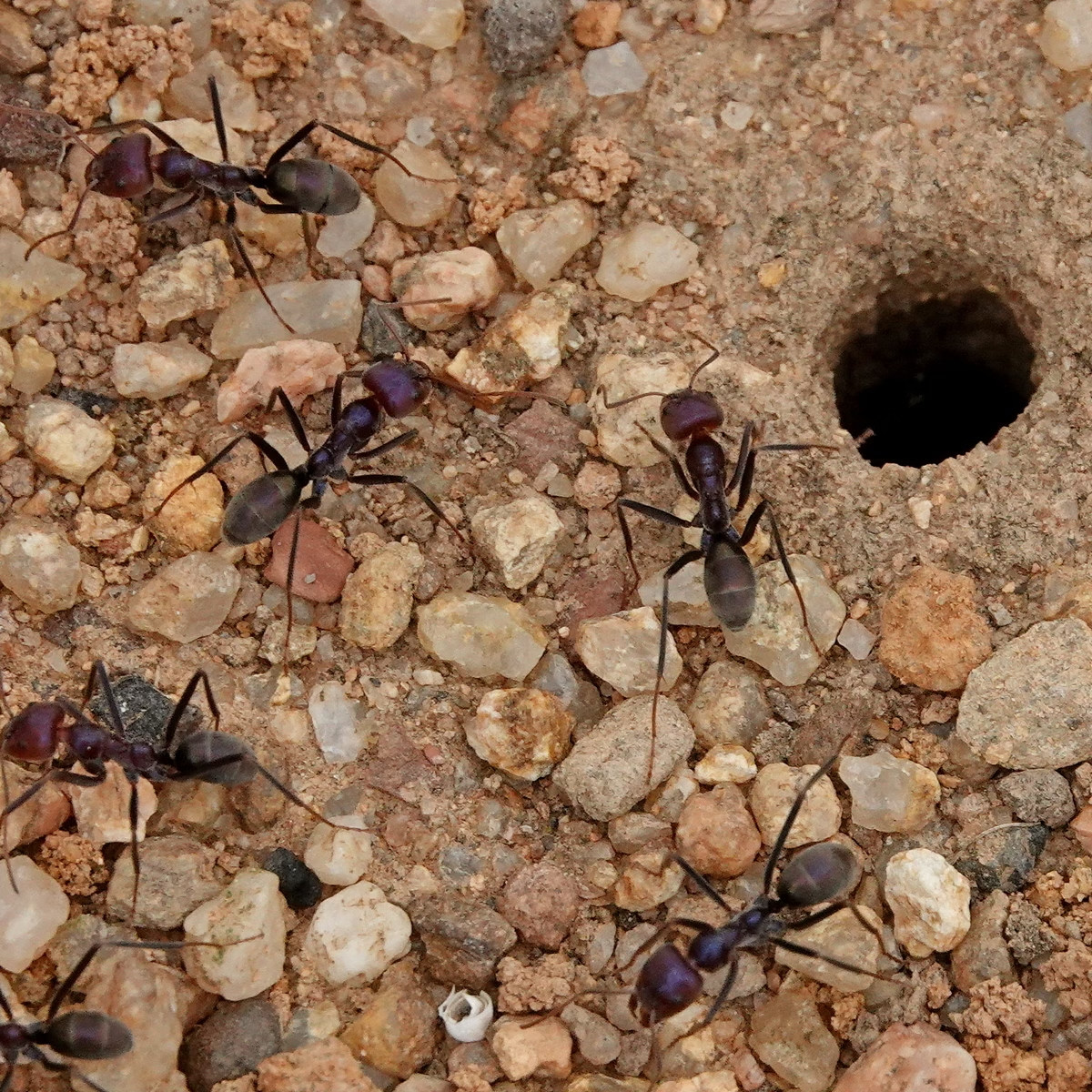
Meat ants, Iridomyrmex purpureus, are iconic Australian ants: fast, conspicuous, territorial and famous for large gravelly nest mounds. They are brilliant to observe outdoors. In captivity, that same biology makes them a serious project rather than a casual beginner species.
Quick answer
Can you keep meat ants in Australia? Yes, but Iridomyrmex purpureus is better for keepers who already understand test tubes, escape-proof outworlds, regular feeding and expansion planning. A queen can start in a normal test tube setup, but a thriving colony needs more space, stronger barriers and a more deliberate feeding routine than many beginner ants.
If this is your first colony, use this page as a “know what you are getting into” guide and compare them with the best beginner ant species in Australia before committing.
Quick care summary
| Scientific name | Iridomyrmex purpureus |
| Common names | Meat ant, gravel ant, southern meat ant |
| Native range | Australia; widely recognised across much of southern Australia. |
| Wild nesting | Large oval/gravel mounds with multiple entrance holes; nest areas often cleared of vegetation. |
| Temperament | Fast, active, territorial and defensive. |
| Beginner suitability | Not recommended as a first species. |
| Diet | Sugars/carbohydrates plus regular protein; scavenging and predation are important in nature. |
| Main challenge | Space, containment, colony growth, aggression and feeding volume. |
Why meat ants are different
A wild meat ant colony is not a tiny hidden nest under bark. References describe large, open, warm mound systems with multiple entrances and cleared nest areas. That tells you a lot: this is an ant built for activity, territory and scale.
That does not translate neatly into a small desktop formicarium. A young colony can start small, but a successful colony needs planning for expansion and safe maintenance.
Identification notes
Meat ants are often recognised by their reddish-purple tones, active trails, and gravelly mound nests. However, Iridomyrmex identification can be tricky, and there are related species. If the care plan depends on exact ID, compare with local records or ask experienced keepers.
Meat ant queen checklist
| Clue | What to look for | Why it matters |
|---|---|---|
| Body shape | A noticeably larger, more robust ant with a broader thorax than workers. | Queen and worker size/shape differences are more reliable than colour alone. |
| Wing status | She may have wings, scars where wings detached, or still hold wings for a while after mating. | Do not assume a queen is useless just because she has not shed wings yet. |
| Context | Found after warm humid weather, near meat ant activity, lights, paths or open ground. | Location, weather and date help later ID checks. |
| Safety | Contain first, inspect calmly, and avoid handling. | Meat ants are fast and defensive; a loose queen indoors is a pain in the backside. |
Founding and early care
A queen should still begin in a secure test tube setup. Keep disturbance low and avoid rushing to a big nest. Once workers arrive, offer small sugar and protein feeds. The issue is not the first week — it is what happens if the colony succeeds and starts scaling up.
First worker routine
- Keep the tube simple: water reservoir, snug cotton, dark cover and minimal checking.
- Feed tiny portions: a pinhead-sized protein piece and a tiny sugar drop is usually safer than a messy feast.
- Use a small outworld early if needed: if feeding in the tube causes chaos, connect a secure mini outworld rather than repeatedly opening the tube.
- Delay the formicarium: move only when the colony genuinely needs space; too much nest too early encourages waste and mould.
Feeding
Meat ants need carbohydrates for worker energy and protein for brood. As the colony grows, protein demand can become significant. Use clean feeder insects and feed in a way that does not create rotting piles of protein. For feeder choice and portion sizes, use the ant feeding guide alongside this species page.
| Stage | Feeding approach | Risk |
|---|---|---|
| Queen only | Usually no feeding unless care evidence suggests otherwise | Disturbance |
| First workers | Tiny sugar plus small protein pieces such as mealworm or fruit fly | Mould from overfeeding |
| Growing colony | Regular sugar and increasing protein, removed before it spoils | Escape pressure, waste and mites |
| Large colony | Structured feeding routine with a dedicated outworld feeding zone | Space, aggression and containment failures |
Best feeder insects for meat ants
Mealworm pieces are usually the easiest staple because they are cheap, portionable and less chaotic than loose crickets. Fruit flies suit small colonies. Crickets or woodies can work for larger colonies if they are pre-killed or safely contained. See the mealworm feeder guide if you want a low-fuss feeder supply.
Housing reality
This species is best for keepers who can build secure, expandable setups. A small test tube/outworld can work early, but a long-term meat ant setup needs a serious outworld, strong barriers, reliable hydration and space to manage waste and foraging behaviour.
Do not keep them in a flimsy setup indoors where an escape would be a drama. They are fast, bold and numerous once established. Before upgrading, check the formicarium upgrade guide and the ant barrier guide.
Meat ant setup path
- Queen stage: secure test tube, dark cover, low disturbance.
- First workers: tube plus a tiny escape-proof feeding area if feeding inside the tube becomes messy.
- Small colony: compact nest or tube rack with a proper outworld and reliable barrier.
- Growing colony: larger outworld, planned expansion, easier cleaning access and stricter escape checks.
Common mistakes
- Choosing them because they are easy to find: common outdoors does not mean easy indoors.
- Underestimating scale: a successful colony can outgrow beginner equipment.
- Weak barriers: active workers will test the setup.
- Overfeeding protein: creates mould, mites and smell.
- No expansion plan: this is not a “set and forget” display species.
Who should keep meat ants?
Keep meat ants if you already understand feeding routines, escape-proofing and nest expansion. If this is your first colony, start with a more forgiving species such as a suitable Camponotus before taking on Iridomyrmex purpureus.
Sources and further reading checked
Related Ant Keeping Australia guides
- Known Native Australian Ant Species — source-of-truth species list and coverage map
- Best Beginner Ant Species in Australia
- What to Do with a Queen Ant After Capture
- Test Tube Setup for Queen Ants
- Ant Feeding Guide
- Formicarium Upgrade Guide
- Ant Barrier Guide
- Preventing Mites
Bottom line
Meat ants are one of Australia’s great ants, but they are not a simple beginner species. Their natural history points to activity, territory, scale and strong foraging behaviour. If you keep them, build the setup for the ant they become — not the tiny colony they start as.
Meat ant keyword FAQ
What is Iridomyrmex purpureus?
Iridomyrmex purpureus is the Australian meat ant, a fast-moving and highly active species known for large outdoor nests, strong foraging behaviour and territorial workers. It is fascinating, but not a casual beginner species.
How do you identify a meat ant queen?
A likely meat ant queen is larger and more robust than workers, with a developed thorax and sometimes wings or wing scars after flight. Because Iridomyrmex species can be hard to separate, use location, date, clear photos and local records before making an exact ID claim.
When do meat ant queens fly?
Watch warm, humid weather after rain during active seasons in your area rather than relying on one fixed national month. Record the date, suburb/region and weather when you find a queen so the observation is useful later.
Are meat ants good pets?
Meat ants can be rewarding display ants for experienced keepers, but they are not a low-effort pet. Their activity level, colony size and defensive behaviour mean they need secure housing, careful feeding and serious escape prevention.






I like these critters. Have been watching them for years. My colonies roam free and I do nothing to care for them.