Quick answer
You can buy ant keeping supplies in Australia from dedicated ant keeping stores, reptile/aquarium shops, lab-style suppliers, local hardware shops and simple household stores. For beginners, the safest path is to buy test tubes, cotton, feeding tools, small tubs, escape barriers and safe feeder insects first, then upgrade to a formicarium once the colony is ready.
Important: this page is not a paid ranking. Affiliate links may be added later, but the buying advice should stay beginner-first: useful gear, safe setup, no oversized nest nonsense.
Buying barrier supplies? Do not buy PTFE, talc, mesh or tubs in isolation. Match them to the setup using the Ant Barrier Guide Australia, especially for small species that can escape through tiny lid and vent gaps.
What to buy first if you are starting today
If you are standing in a shop or filling an online cart, keep it boring. A beginner does not need a display nest first; they need clean founding gear, safe feeding tools and a way to prevent escapes once workers arrive.
| Buy first | Why | Skip for now |
|---|---|---|
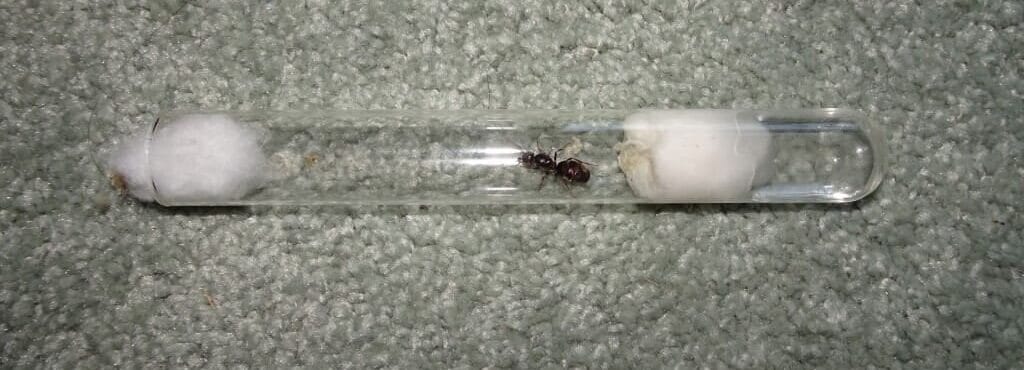
| 16×150 mm or similar test tubes, cotton and spare tubes | Most queen founding setups start here, and spare tubes save emergencies. | Large decorative nests for a single queen. |
| Small clear tubs, labels, foil/dark sleeves and long forceps | Cheap handling, darkness, records and safer feeding. | Complicated acrylic systems before you have workers. |
| Safe feeder source and tiny feeding dishes | Useful once workers arrive or for semi-claustral queens. | Wild insects from sprayed areas. |
| Barrier plan: secure lid plus PTFE/Fluon or talc method where suitable | Escapes are easier to prevent than fix. | Mystery barrier liquids or badly ventilated sealed tubs. |
| Thermometer/hygrometer before heating gear | Measure conditions before changing them. | Uncontrolled heat mats under the whole setup. |
Use the starter kit guide for the full beginner kit and the gear checklist when you want a printable-style shopping list.
Amazon starter gear options
Disclosure: Some product links on this page may be affiliate links. As an Amazon Associate, Ant Keeping Australia may earn from qualifying purchases at no extra cost to you.
- 16x150mm glass test tubes — best first buy for queen founding setups.
- 20x150mm glass tubes — wider alternate option; still use cotton, not airtight corks.
- Feeding forceps/tongs — useful for safer feeding and cleanup.
- Thermometer/hygrometer — useful before changing heat or humidity.
- Magnifying glass — useful for observation and rough ID.
- Clear storage tubs — useful as work tubs or modified outworlds.
Best places to buy ant keeping supplies in Australia
| Supplier type | Best for | Beginner notes |
|---|---|---|
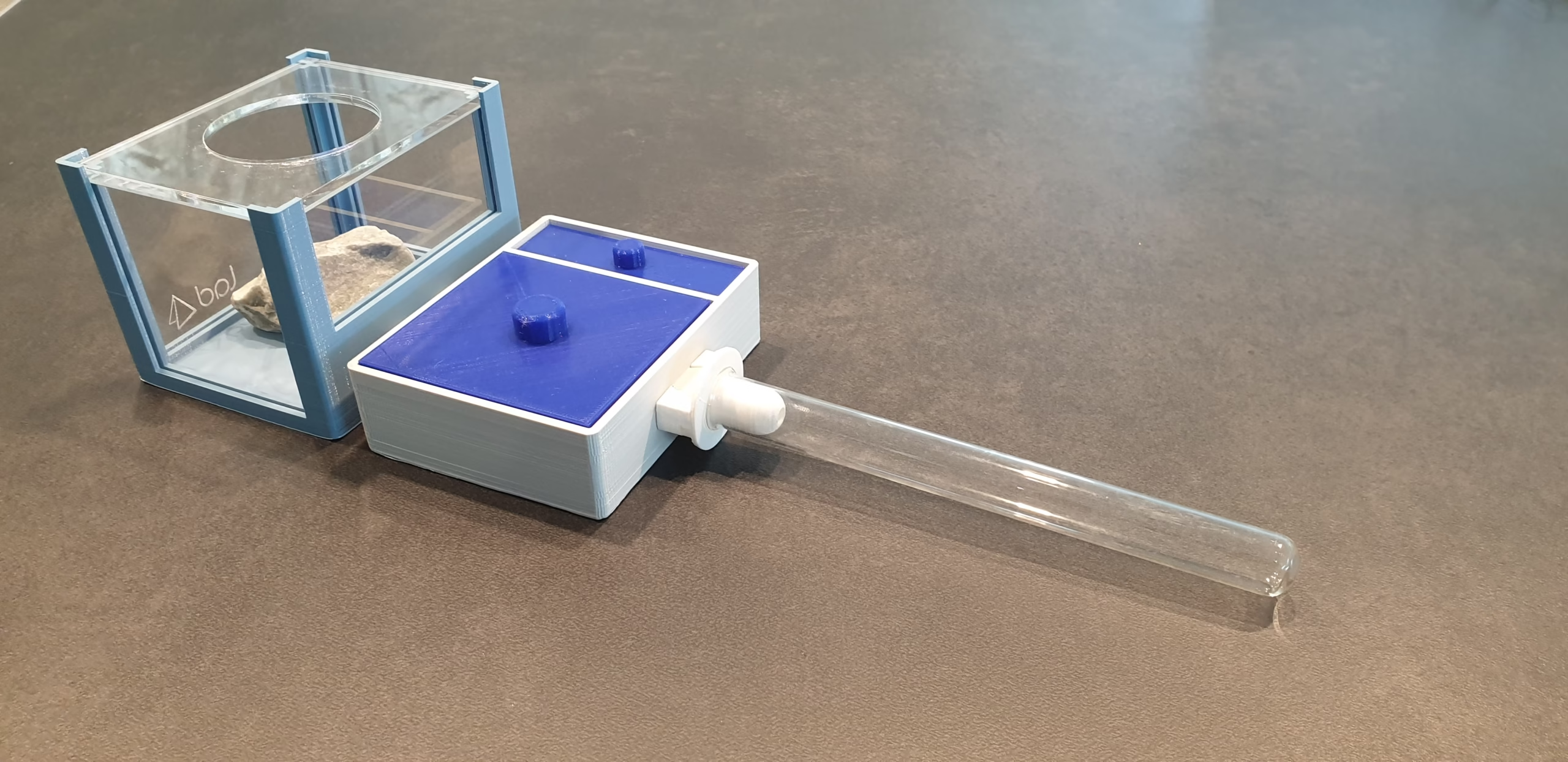
| Dedicated ant keeping stores | Formicariums, outworlds, test tubes, feeders, tubing, barriers and ant-specific accessories. | Best starting point when you want purpose-built gear. |
| Reptile/aquarium shops | Feeder insects, tubs, tweezers, thermostats, heat mats and general husbandry gear. | Good for food and tools, but check that products are ant-safe. |
| Lab or packaging suppliers | Bulk test tubes, containers and small storage gear. | Useful if you catch multiple queens or want spare tubes. |
| Hardware stores | Mesh, tubing, containers, sealants and DIY materials. | Only use non-toxic materials and avoid pesticide-treated products. |
| Household/discount stores | Small tubs, labels, storage boxes, foil, cotton and basic tools. | Cheap and handy for beginner setups. |
Australian ant keeping stores to research
These are useful starting points for Australian keepers. Check current stock, shipping, live ant rules, guarantees and suitability before buying.
- Ant Keeping Depot — ant keeping equipment, accessories, food and related supplies.
- Antastic — queen ants and ant equipment, including nests, outworlds, tubes, food and accessories.
- Ant Shack — modular ant habitat systems and ant farm kits, with Australia-facing store pages.
- Ant Keeping on a Budget in Australia — cheap starter setup without buying the wrong nest first.
Live ants are different from gear. Before buying, selling or moving live ants, check Australian state rules, biosecurity expectations and seller policies. Gear is simple. Live animals are not.
What beginners should buy first
If you are setting up your first colony, buy boring gear first. Boring gear keeps ants alive.
- Test tubes — the core founding setup.
- Cotton balls — for water plugs and entrance plugs.
- Foil or paper sleeves — cheap darkness and stress reduction.
- Small clear tubs — temporary outworlds and safe maintenance spaces.
- Tweezers or forceps — feeding and cleanup without poking ants with your fingers.
- Labels — track species, capture dates, feeding and movement.
- Safe feeder insects — once workers arrive or if the species needs feeding during founding.
- Escape barrier — PTFE/Fluon, talc/alcohol or secure lids when workers need an outworld.
When to buy a formicarium
A formicarium is not usually the first purchase. A new queen or tiny colony often does better in a test tube. Buy a nest when the colony has enough workers to use it and feeding in the tube setup becomes awkward.
How to compare suppliers without getting sucked into shiny gear
Do not compare stores only by price or by who has the fanciest nest photo. For ant keeping, a cheap product can become expensive if it causes escapes, mould or stress, and an expensive product is still wrong if it is too large for the colony stage.
| Check | Why it matters |
|---|---|
| Shipping speed | Useful for food, emergency tubes and replacement parts. |
| Product sizing | Nests and tubing need to suit the species and colony size. |
| Escape resistance | Small species can exploit tiny gaps. |
| Cleaning access | Good gear should be inspectable and maintainable. |
| Replacement parts | Tubing, connectors, lids and hydration parts matter later. |
| Beginner guidance | Good suppliers help you avoid buying too much too early. |
| Live ant policy | Check state restrictions, guarantees and ethical sourcing. |
Where to buy feeder insects
Feeder insects can come from reptile shops, dedicated feeder breeders or reputable online suppliers. Use clean feeder sources and avoid wild insects from areas that may have pesticides, sprays or parasites.
- Mealworms — easy to source and portion.
- Crickets — useful protein but can be messy.
- Roaches — good for larger colonies where legal and available.
- Fruit flies — handy for small workers and young colonies.
Freeze or pre-kill feeders when appropriate, feed small portions and remove leftovers before mould becomes the landlord.
Where to buy escape barriers
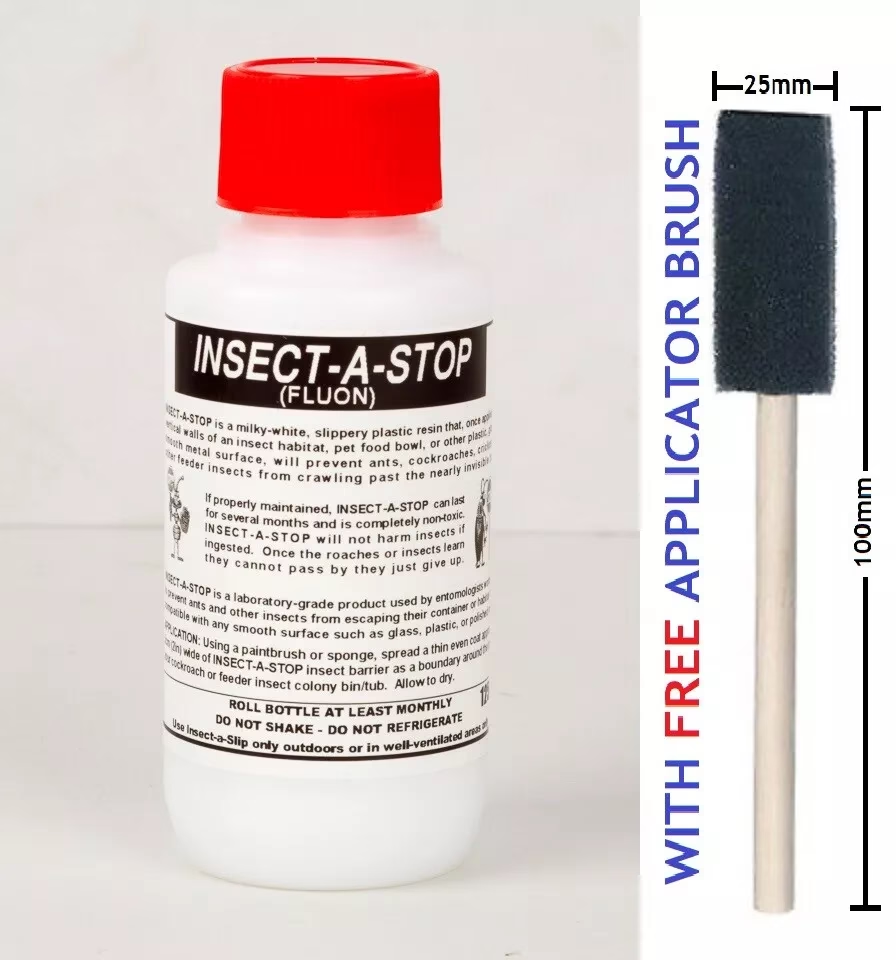
Escape prevention is worth buying before you need it. Look for PTFE/Fluon-style barriers from ant suppliers, or learn safe talc/alcohol methods for budget outworlds. Always combine barriers with secure lids and sensible maintenance habits.
Barrier shopping tip: buy the barrier only after you know the outworld material, lid design and species size. Tiny species need finer mesh and better seam checks than large sugar ants. If unsure, start with the ant barrier guide before adding anything to cart.
What not to buy from random marketplaces
- unlabelled chemicals or mystery barrier liquids
- nests with gaps too large for your species
- decorative nests that cannot be cleaned or hydrated properly
- live ants from unclear sources
- feeder insects that look unhealthy or are shipped badly
- anything pesticide-treated, scented or chemically coated
Beginner buying path
- Read the starter kit guide.
- Buy the simple founding gear first.
- Set up spare tubes before you need them.
- Only add an outworld when feeding becomes awkward.
- Only buy a nest/formicarium when the colony has workers and needs space.
- Keep the setup clean, labelled and escape-resistant.
Budget setup? If you are trying to start cheaply, use Ant Keeping on a Budget in Australia before buying a display nest. It shows what to buy first, what to skip, and when to upgrade.
Related guides
- Ant Keeping Gear Checklist
- Best Ant Keeping Starter Kit Australia
- Queen Ant Test Tube Setup
- Ant Feeding Guide
- Ant Barrier Guide
- Best Ant Nest Types
Bottom line
Buy ant keeping supplies in stages. Start with test tubes, cotton, basic tools, safe food and escape prevention. Add outworlds and formicariums when the colony is ready. That approach saves money, reduces mistakes and gives your ants a better chance — annoyingly sensible, which is usually the best kind of sensible.