Quick answer
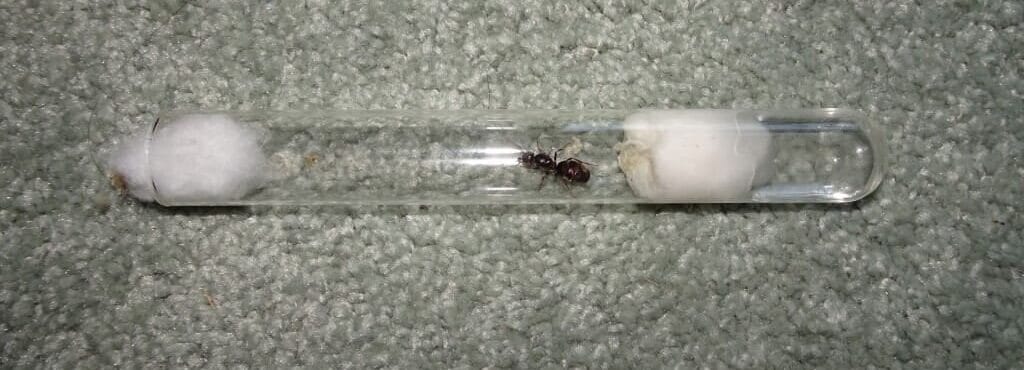
The best ant keeping starter kit in Australia is not a giant display nest. For most beginners, the best starter kit is test tubes, cotton, a dark cover, spare tubes, feeding tools, a tiny outworld plan, clean food sources and escape prevention. Buy a formicarium later, when the colony has enough workers to actually use it.
Starter kit rule: buy for the colony stage you have, not the colony you hope to have in six months.
Escape prevention belongs in the starter kit. Before moving ants into any tub or outworld, read the Ant Barrier Guide Australia and plan the lid, mesh, tubing and rim barrier together.
Fast starter cart checklist
For a first queen or tiny colony, this is the simple cart I would build before buying anything fancy:
- 10–20 test tubes so you have spares when water runs low or mould appears.
- Cotton balls plus clean water for safe water reservoirs and breathable plugs.
- Foil or dark paper sleeves to keep founding queens calm.
- Long forceps, labels and a marker for feeding, cleanup and records.
- Small clear tubs for a work tub or tiny outworld later.
- Barrier plan before workers start exploring.
- Safe feeder source for first workers or semi-claustral queens.
Then compare buying options in Where to Buy Ant Keeping Supplies in Australia and keep the broader Ant Keeping Gear Checklist nearby.
Starter gear links
Disclosure: Some product links on this page may be affiliate links. As an Amazon Associate, Ant Keeping Australia may earn from qualifying purchases at no extra cost to you.
These are practical starter options, not magic products. Check sizes and use the care notes below before buying.
- 16x150mm glass test tubes — good founding-size tubes; use cotton plugs for airflow and water, not airtight rubber stoppers.
- Long feeding forceps/tongs — useful for feeding and cleanup without putting fingers near defensive ants.
- Digital thermometer/hygrometer with probe — useful for checking room/setup conditions before making heating changes.
- Simple magnifying glass — handy for queen checks, brood checks and rough ID without constantly disturbing the setup.
- Clear storage tubs — useful work tubs or starter outworld candidates; add ventilation and escape control before using with ants.
Best beginner ant keeping starter kit
| Priority | Item | Why it matters | Buy now? |
|---|---|---|---|
| Essential | Test tubes | The safest founding setup for many queen ants. | Yes |
| Essential | Cotton balls | Creates water plugs and breathable barriers. | Yes |
| Essential | Clean water | Hydration reservoir for founding queens. | Yes |
| Essential | Foil or dark sleeve | Reduces stress while the queen is founding. | Yes |
| Essential | Labels and marker | Tracks species, dates, location and progress. | Yes |
| Useful | Tweezers or forceps | Safer feeding and cleanup. | Yes |
| Useful | Small plastic tubs | Cheap temporary outworlds and maintenance tubs. | Yes |
| Later | PTFE/Fluon or talc barrier | Escape prevention once workers need an outworld. | Soon |
| Later | Small outworld | Makes feeding easier after first workers arrive. | After workers |
| Later | Formicarium | A proper nest for established colonies. | Not first |
Cheapest sensible setup
If you want the lowest-cost ant keeping setup that still works in Australia, start here:
- 10–20 clean test tubes
- cotton balls
- foil or paper sleeves
- a few small clear plastic containers
- tweezers or forceps
- sugar or honey for sugar water
- a safe feeder insect source once workers arrive
- spare tubes ready before the first tube dries or moulds
This covers the real beginner phase: queen capture, founding, first workers and early feeding. It is not flashy, but it is reliable.
Optional heating gear
Small heat mat with thermostat can be useful in some setups, but only if you monitor temperature properly. Do not put a queen directly on uncontrolled heat. Give ants a cooler area so they can move away if needed.
What to avoid buying first
Do not start with a huge nest. Tiny colonies often do worse in oversized nests because they cannot control waste, humidity and security properly.
- large decorative formicariums before you have workers
- expensive naturalistic builds before you understand moisture
- heating cables without a thermostat or clear reason
- multiple colonies before you can manage one
- random wild soil, plants or bark without quarantine
- cheap mystery feeder insects from unsafe sources
When should you buy a formicarium?
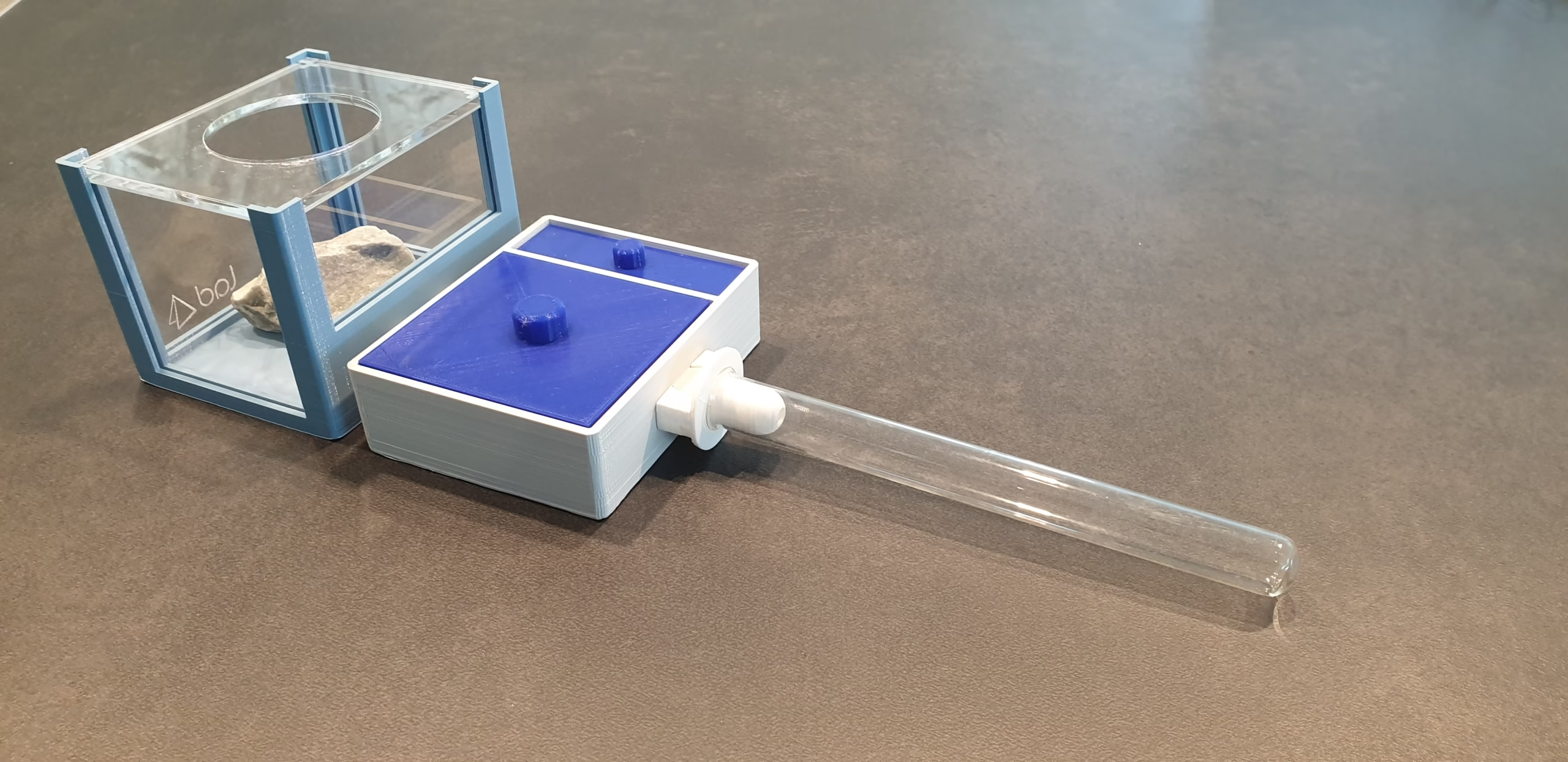
Buy a formicarium when the colony has enough workers to use the space. A queen with eggs usually belongs in a test tube. A tiny colony often does best in a test tube connected to a small outworld. Move to a formicarium once feeding, waste and space become awkward in the tube setup.
Starter kit by colony stage
| Stage | Best setup | Main gear |
|---|---|---|
| Fresh queen | Test tube founding setup | Tube, water, cotton, dark cover, label. |
| Eggs/larvae | Still test tube | Mostly leave her alone unless semi-claustral or species needs food. |
| First workers | Tube plus careful feeding | Tiny protein, sugar water, cleanup tools. |
| Small colony | Tube connected to small outworld | Outworld, barrier, lid, feeding dish. |
| Growing colony | Small formicarium | Appropriate nest size, hydration, tubing, escape control. |
Best starter kit for Australian beginners
For Australian ant keepers, choose gear that handles small escape-prone species, larger defensive species and warm weather. Good beginner gear should be easy to clean, easy to inspect and not overcomplicated.
- For sugar ants: test tubes, patient founding, secure outworld and room to grow later.
- For small species: tighter lids, finer mesh and better escape barriers.
- For stinging species: long tools, secondary tubs and cautious maintenance.
- For beginners generally: start simple and learn the colony before upgrading.
Where to buy ant keeping gear in Australia
For a fuller supplier checklist, see Where to Buy Ant Keeping Supplies in Australia.
Australian keepers can look at dedicated ant keeping suppliers, aquarium/reptile stores, lab-supply style test tubes and simple household containers. The important part is not the brand; it is whether the gear is safe, clean, escape-resistant and correctly sized.
Useful supplier research starting points include:
- Ant Keeping Depot
- Antastic
- Ant Shack
- local aquarium/reptile stores for tubs, tools and feeding supplies
Affiliate links may be added later, but recommendations should stay based on usefulness, not commission.
Beginner starter kit checklist
- Test tubes
- Cotton balls
- Clean water
- Dark covers
- Labels
- Tweezers/forceps
- Small tubs
- Sugar source
- Safe protein feeder source
- Barrier plan
- Spare tubes
- Patience — annoyingly important
Budget setup? If you are trying to start cheaply, use Ant Keeping on a Budget in Australia before buying a display nest. It shows what to buy first, what to skip, and when to upgrade.
Related guides
- Ant Keeping Gear Checklist
- Queen Ant Test Tube Setup
- What to Do After Catching a Queen Ant
- Ant Feeding Guide
- Ant Barrier Guide
- Best Beginner Ant Species in Australia
- Ant Keeping on a Budget in Australia — cheap starter setup without buying the wrong nest first.
Bottom line
The best ant keeping starter kit is boring in the best possible way: test tubes, cotton, food, tools, escape control and sensible upgrades. Get the simple setup right first. The fancy nest can wait until the ants have earned the real estate.