Mould in an Ant Nest: What to Do
How to tell harmless staining from real mould risk, fix the cause, and move a colony only when it is actually needed.
Mould is common in ant keeping. A tiny spot does not automatically mean the colony is doomed. But spreading mould, bad smells, wet food and failing cotton can absolutely become a problem. The trick is knowing when to calmly clean up and when to prepare a move.
Quick answer
Remove old food, reduce excess moisture, improve cleanliness and prepare a clean tube or nest if mould is spreading near the queen, brood or main living area. Do not panic-move a colony for one tiny distant spot.
Normal staining vs concerning mould
| What you see | Concern level | Action |
|---|---|---|
| Small dark spot on cotton far from queen | Low | Monitor. |
| Old food growing fuzz | Medium | Remove food, feed smaller portions. |
| Mould spreading toward brood | High | Prepare clean tube/nest. |
| Bad smell, wet mess, collapsing cotton | High | Move if unsafe. |
| Workers avoiding nest area | High | Investigate conditions. |
Common causes
- too much protein food
- dead feeders left too long
- humidity too high
- poor airflow
- nest too large for the colony
- dirty feeders
- spilled sugar or honey water
- wet substrate with poor ventilation
First response plan
- Remove old food and rubbish.
- Stop adding more protein temporarily.
- Check whether the water reservoir or hydration system is failing.
- Improve feeding hygiene.
- Prepare a clean backup tube or nest.
- Move only if the current setup is unsafe or mould is spreading.
When to move the colony
Move if mould threatens the queen or brood, cotton fails, the tube floods, food rot spreads through the living area, or workers clearly avoid the nest chamber. Do not move just because the tube is not Instagram-ready. Ants do not care about your content calendar.
How to prevent mould
- feed smaller protein portions
- remove protein within 24 hours
- use feeding trays or foil
- avoid huge nests for small colonies
- maintain ventilation
- avoid overwatering
- quarantine plants/soil/decor
- keep sugar feeding tidy
Mould in naturalistic setups
Naturalistic and bioactive setups can have more fungal activity than sterile acrylic nests. Some micro-life is normal, but uncontrolled mould blooms usually mean the balance is off: too much food, too much water, poor airflow, or not enough cleanup capacity.
Troubleshooting
| Problem | Likely cause | Fix |
|---|---|---|
| Fuzzy feeder insect | Protein left too long | Remove sooner; feed smaller pieces. |
| Mouldy cotton | Age, waste or contamination | Monitor or offer fresh tube. |
| Whole outworld smells | Rotting food/waste | Clean, reduce food, improve airflow. |
| Mould after adding plants | Unquarantined organic material | Quarantine and dry/clean decor next time. |
Sources and further reading checked
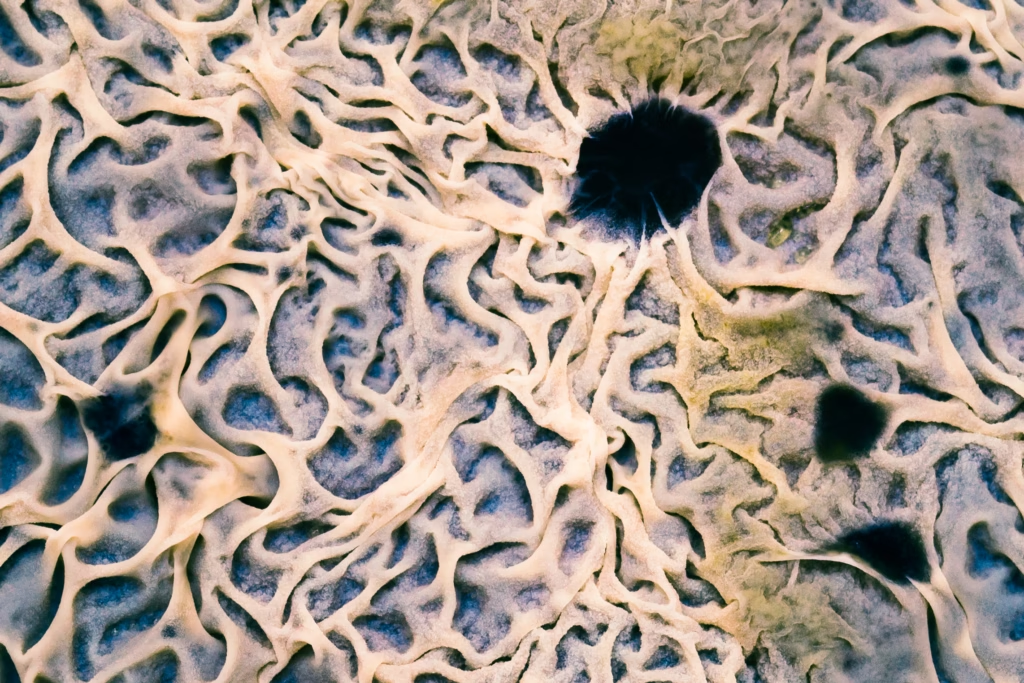
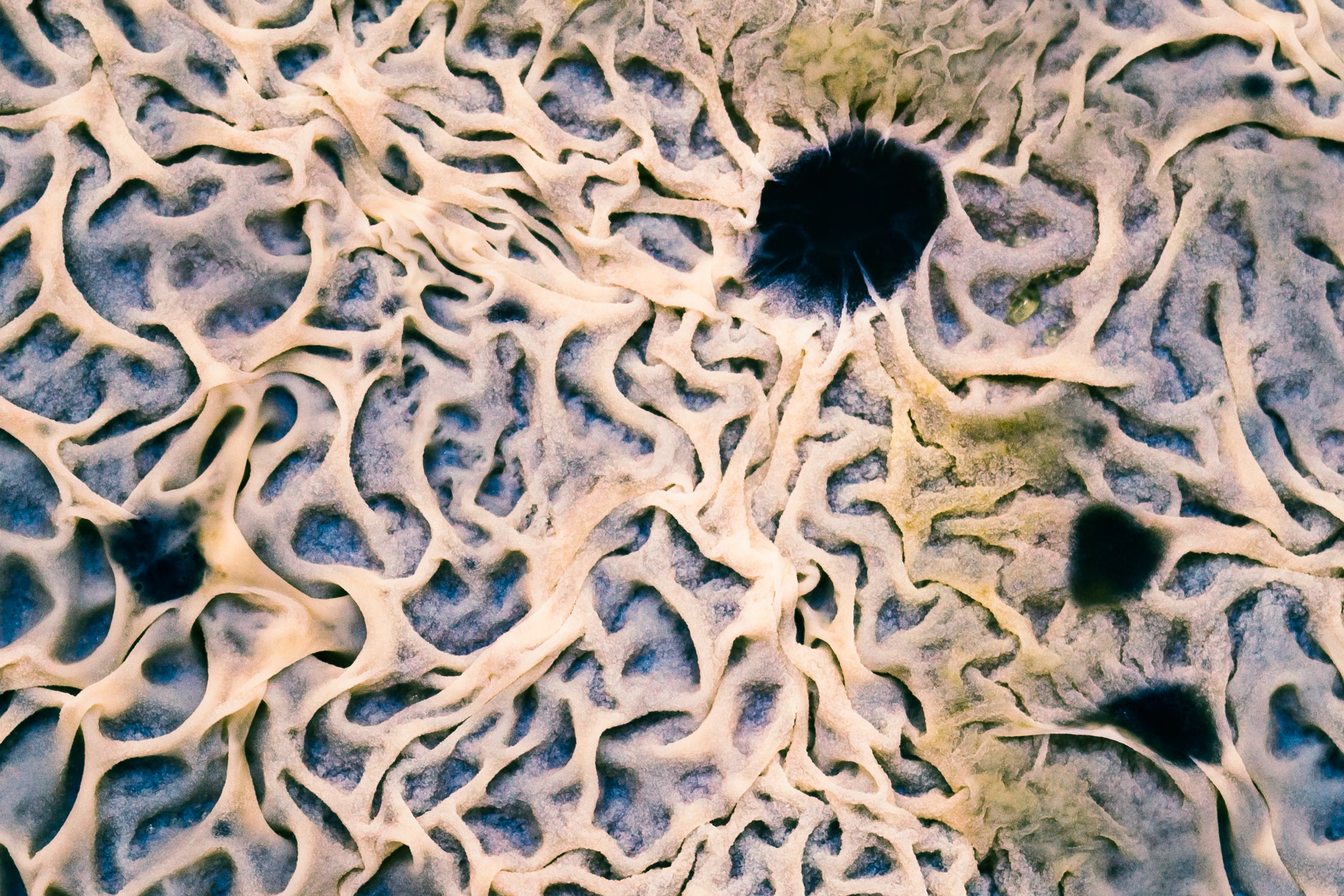
- Hero image: Mold surface.jpg by Пекарь Константин via Wikimedia Commons, licensed CC BY 4.0.

Winter condensation and mould checks
Winter is a common time for mould scares because cooler glass, reduced ventilation and slower feeding can leave a test tube or nest wetter for longer. A small stain on cotton is not automatically an emergency, but spreading fuzzy growth near the queen, brood or food pile deserves attention.
- Remove uneaten protein sooner in cold weather because workers may stop foraging before food is finished.
- Keep heat gentle and partial so condensation does not build across the whole tube or nest.
- If a queen is quiet but the tube is safe, avoid repeated forced moves during winter slowdown.
- If mould is spreading near the living chamber, prepare a clean tube and use the least disruptive transfer method.
For the seasonal side of this problem, see Winter Ant Keeping in Australia and the queen ant test tube setup guide.
If mould is paired with heavy condensation, pooling water or soggy substrate, fix the moisture cause as well as the visible growth. The ant nest too wet guide covers condensation, flooding and dry-retreat decisions.
Related guides
- Moving a Queen Ant to a New Test Tube
- Ant Feeding Guide
- Quarantine New Ants
- Preventing Mites
- Bioactive Formicarium Guide
When mould is mostly cosmetic
A small stain or isolated spot on old cotton is often something to monitor rather than panic about, especially if the queen and brood are far away and behaving normally. The moment it spreads, smells bad, reaches brood, or follows wet food through the setup, treat it as a husbandry problem and act.
Bottom line
Mould is usually a signal: too much food, too much moisture, poor airflow or too much unused space. Fix the cause first. Move the colony when the nest is unsafe, not every time a cotton plug gets a tiny suspicious freckle.