Ant Temperature & Humidity Guide for Australia
How to manage heat, cold, humidity, seasonal slowdowns and safe heating for Australian ant colonies without cooking or flooding them.
Temperature and humidity can make ant keeping feel more complicated than it needs to be. The beginner trap is chasing perfect numbers. Ants do not need you to run a laboratory. They need stable, species-appropriate conditions, safe hydration and protection from extremes. If your question is about weather triggers for queen hunting, see the Queen Ant Flight Season in Australia guide.
Quick answer
Keep most Australian ant colonies away from direct sun, sudden heat spikes, cold drafts and flooding. Provide a hydration source and, where possible, a moisture gradient. Use heating only carefully, heat part of the setup rather than the whole nest, and expect many species to slow down in cooler seasons.
Temperature: stability beats heroics
Many Australian homes already sit in a workable range for native ants for much of the year. Heating can help some colonies grow faster, but it can also kill ants fast if done badly. Direct sunlight through glass is especially dangerous.
- avoid windowsills
- avoid hot cars
- avoid heat mats under the whole nest
- avoid sudden temperature swings
- measure where the ants are, not across the room
Safe heating principles
| Do | Do not |
|---|---|
| Heat one side/part of the setup | Heat the whole nest evenly |
| Use a thermostat if using powered heat | Guess with unregulated heat cables |
| Allow ants to move away from heat | Trap ants in a hot tube |
| Check actual surface temperature | Trust the room thermostat blindly |
| Increase slowly | Cook them because you want faster growth |
Humidity: wet is not the same as hydrated
Ants need access to moisture, but constantly wet setups can cause mould and drowning risk. A good setup lets ants choose: a more humid area near water and a drier area away from it.
- test tube water reservoirs are excellent for founding
- hydrated nests should not be soggy
- outworlds usually do not need to be wet
- condensation is a warning sign, not a decoration
- species from different habitats may prefer different moisture levels
Australian seasonal pattern
Australia is not one climate. A keeper in Darwin, Sydney, Hobart and inland WA may all need different routines. Still, some broad patterns help:
| Season | Common issue | Care response |
|---|---|---|
| Summer | Heat spikes and drying | Protect from sun; check water more often. |
| Autumn | Activity changes | Reduce feeding if brood slows. |
| Winter | Slowdown/diapause-like rest in some species | Expect less feeding; keep water available. |
| Spring | Activity and brood increase | Increase feeding gradually. |
Winter slowdown and diapause
Some temperate ants slow down in cooler months. Tropical species may not need the same winter rest. Do not force a full diapause routine unless you understand the species. For many Australian hobbyists, simply allowing a natural cooler seasonal slowdown indoors may be enough.
Signs conditions are wrong
- workers constantly crowding the water source
- ants fleeing the heated area
- brood kept far from usual nest area
- heavy condensation
- mould blooms
- sudden deaths after heat changes
- nest drying faster than expected
Beginner tools
- small digital thermometer/hygrometer
- infrared thermometer for surface checks
- thermostat for heat mats/cables
- spare test tubes
- water feeder
- notebook or labels for seasonal changes
Regional thinking
Do not copy care numbers from another country without thinking. Australian species come from deserts, woodlands, cities, rainforests and cooler southern regions. Start with the species’ natural history, then adjust slowly based on colony behaviour.
Sources and further reading checked
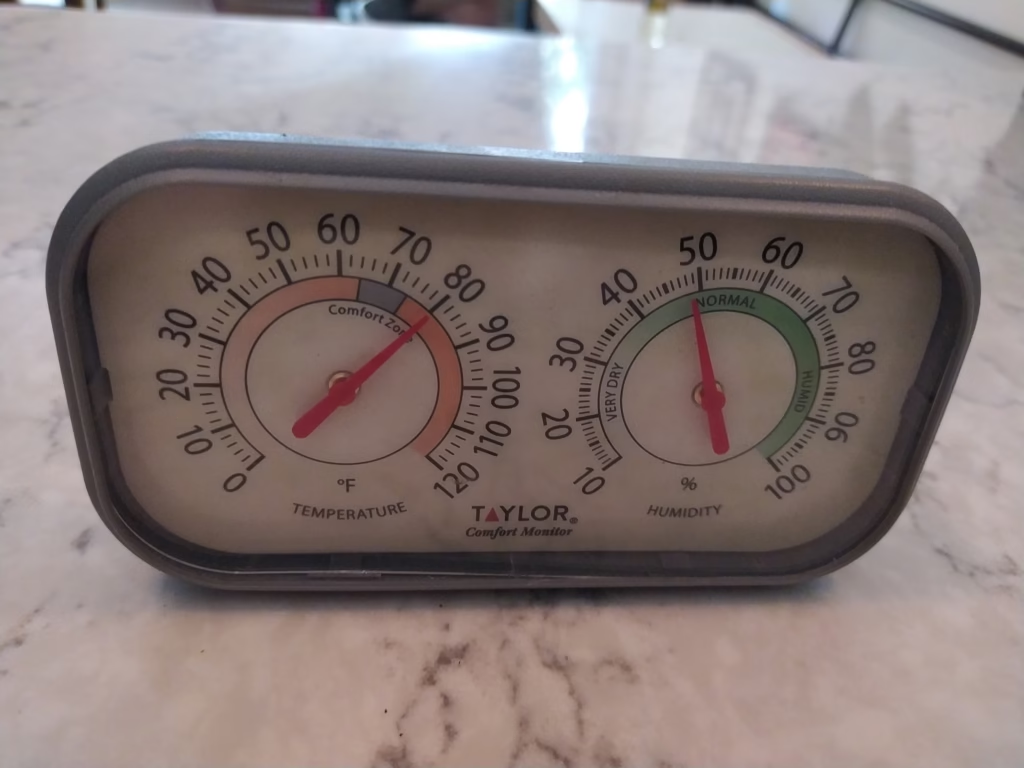
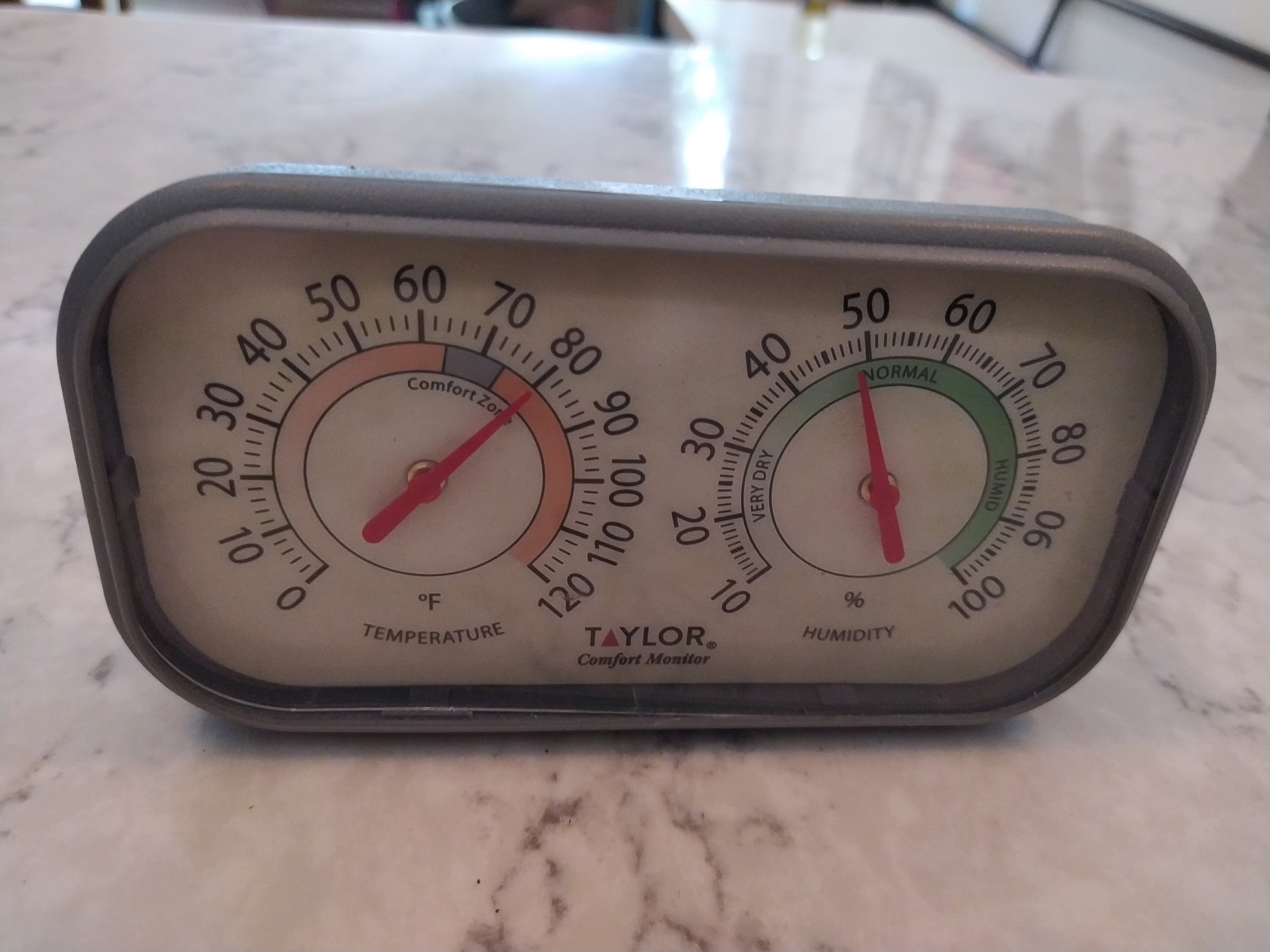
- Hero image: Temperature and humidity meter.jpg by Flanoz via Wikimedia Commons, licensed CC0.

If the nest is too wet, not just humid
Humidity is useful when ants can choose between wetter and drier areas. It becomes a problem when condensation, pooling water or soggy substrate traps the queen, brood or workers in the wet zone. If you are seeing droplets, flooding or mould risk, use the ant nest too wet troubleshooting guide before adding more heat or water.
Related guides
- What to Do After Catching a Queen
- Formicarium Upgrade Guide
- Mould in an Ant Nest
- Ant Feeding Guide
- Best Beginner Ant Species
Bottom line
Stable and safe beats exact and risky. Keep ants out of direct sun, provide moisture without flooding, heat only with control, and let seasonal slowdowns happen when they are normal. Ants are tough; tiny glass saunas are not.