
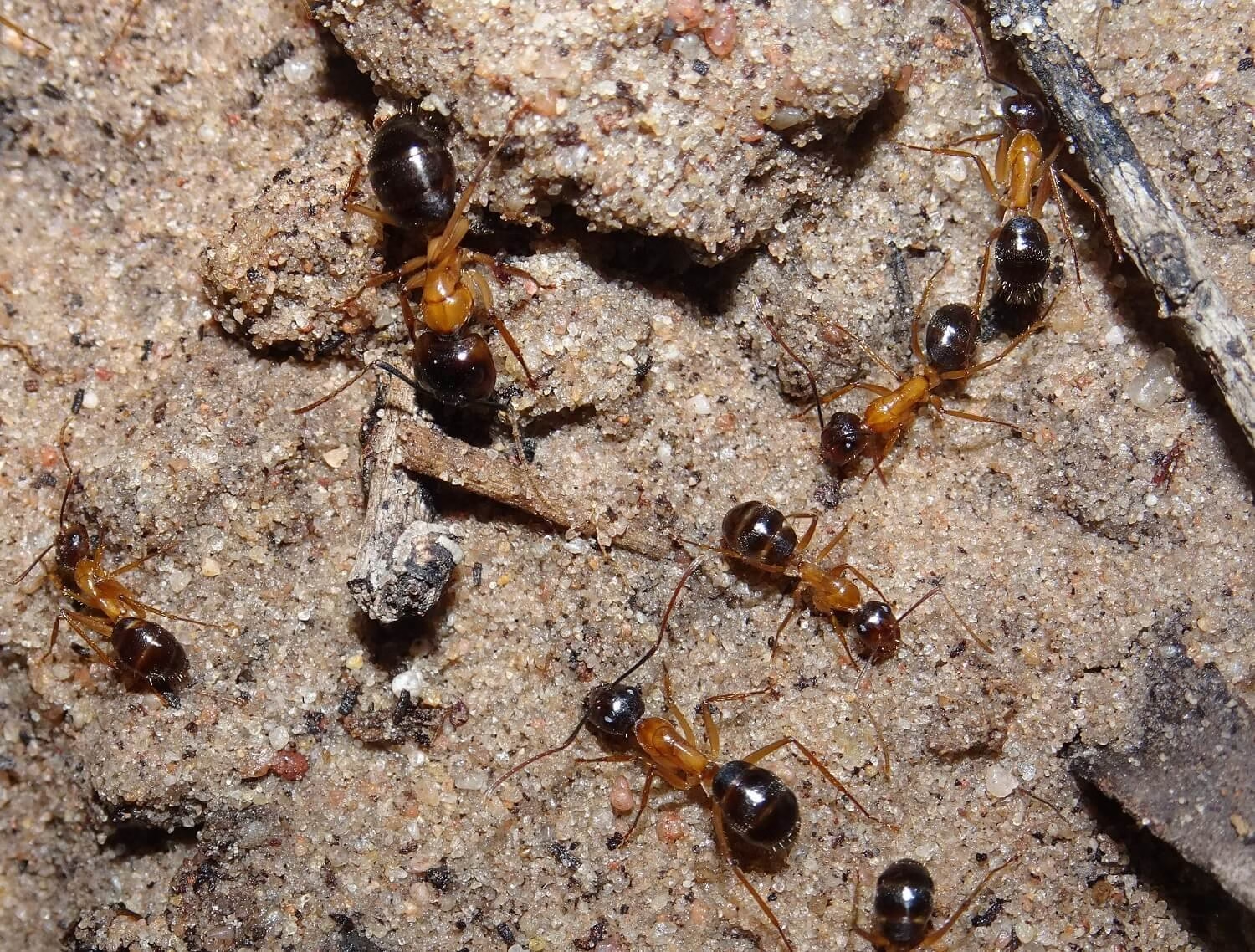
Ant Keeping Australia: Beginner Guides, Species Care & Colony Setup
Learn how to find queen ants, start your first colony, choose beginner-friendly Australian species, build safe setups and solve common ant keeping problems.
Most useful guides right now
If you want the fastest path, start with the core beginner and gear guides below. These cover the topics Australian keepers usually search for first: queen ants, test tubes, species choice, food, barriers and starter supplies.
New to ant keeping? Follow this path.
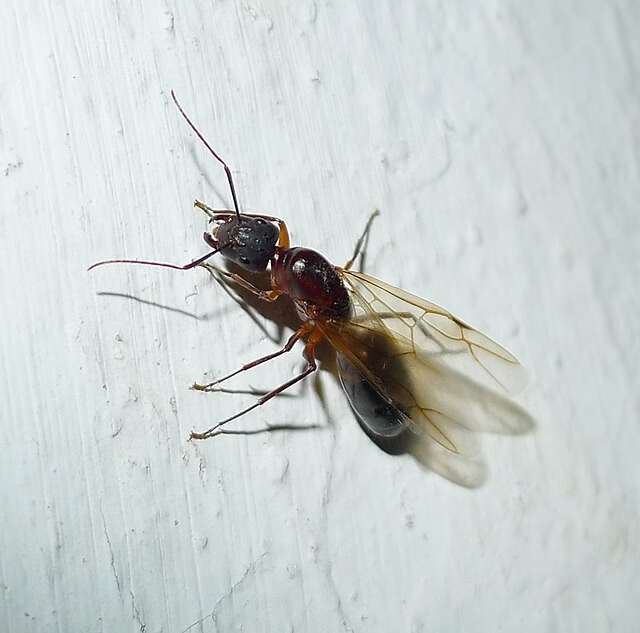
1. Find a queen
Learn when queen ants fly, where to look, and what to do once you catch one.
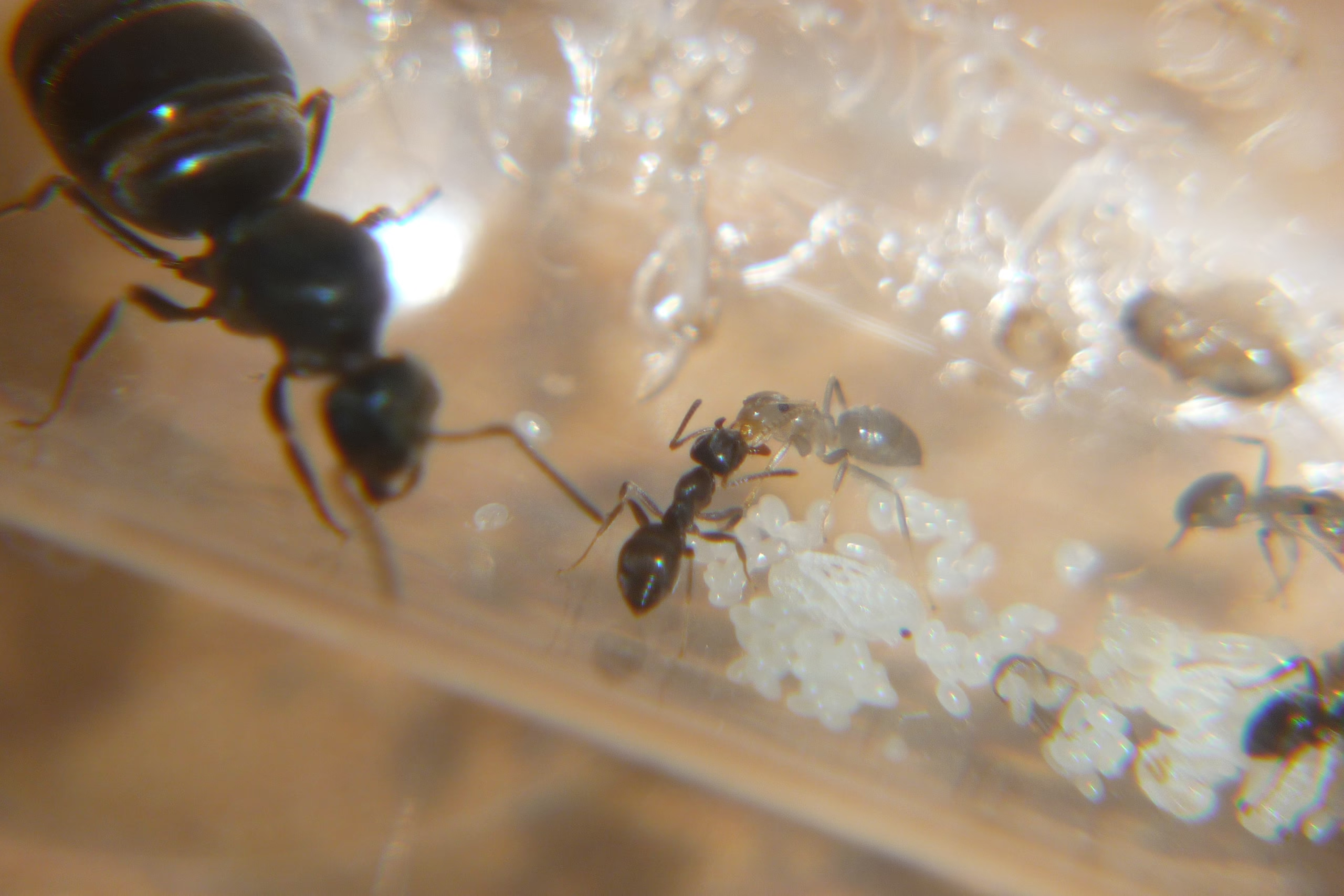
2. Set her up safely
A simple test tube setup is usually the safest start for a new queen.
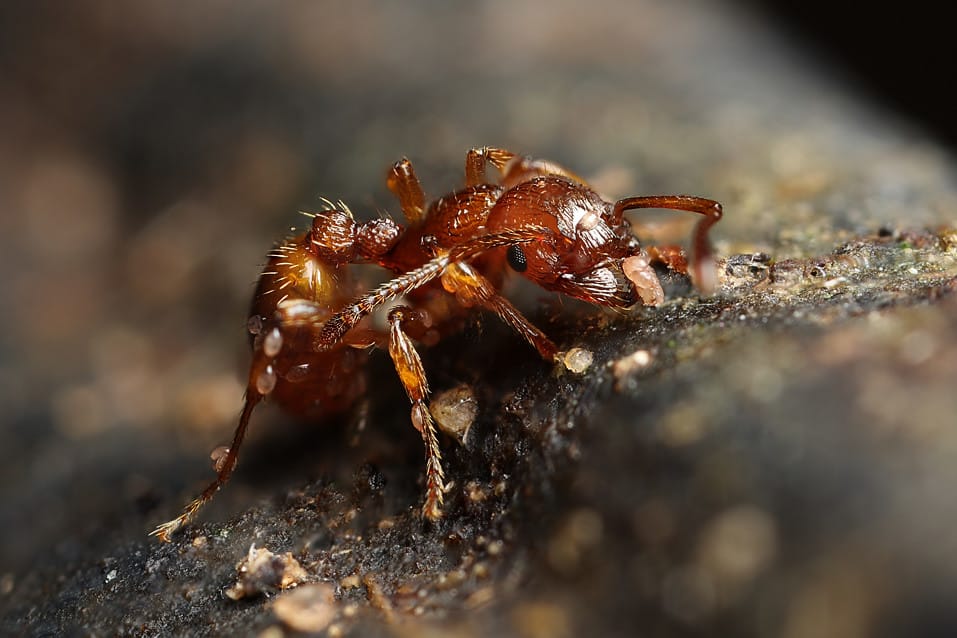
3. Avoid rookie mistakes
Most early colony problems come from overfeeding, stress, poor hydration or moving too soon.
Popular Australian ant keeping guides
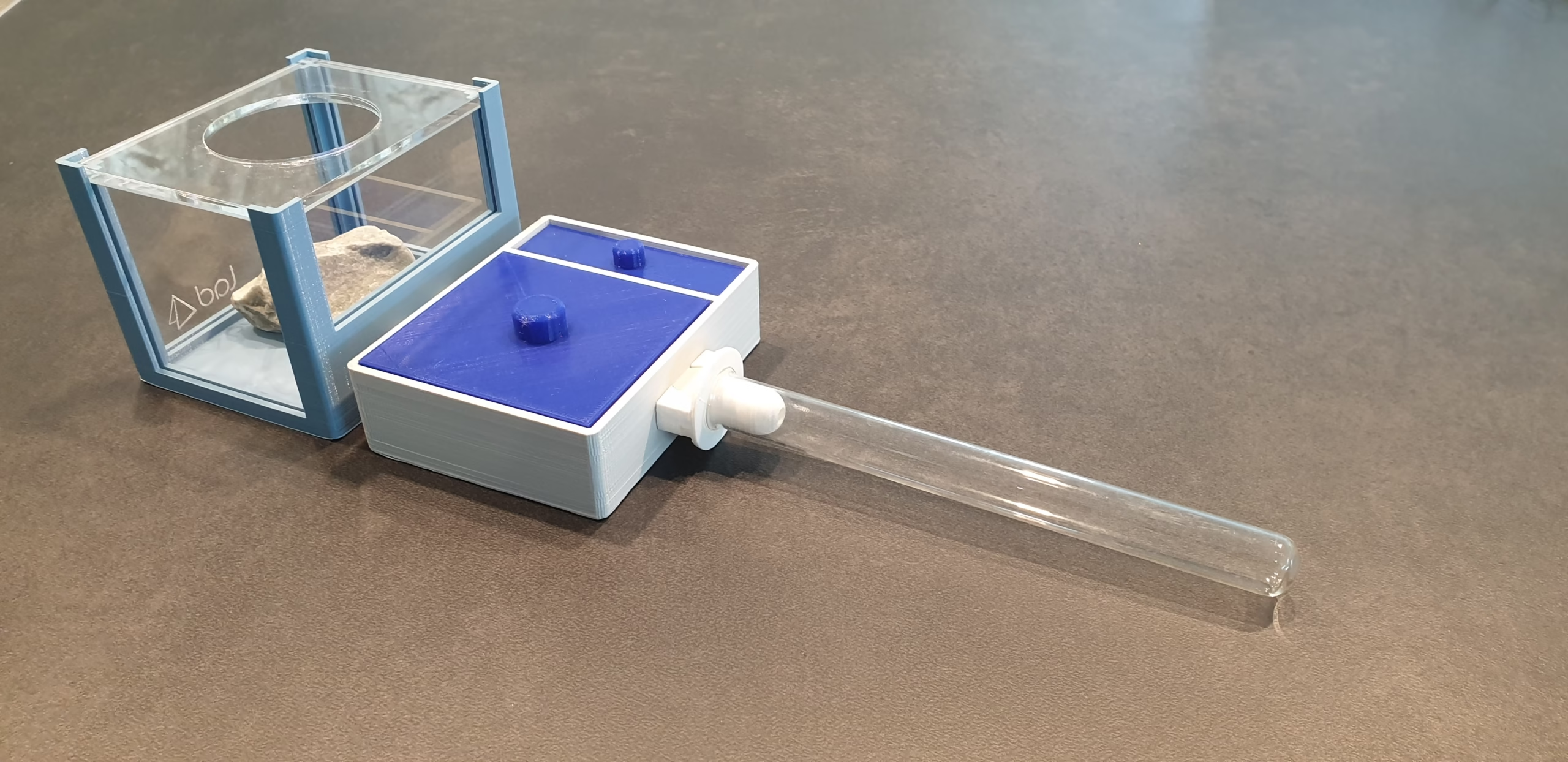
Build your ant keeping kit
You do not need a fancy setup to start. A clean test tube, cotton, water, a dark quiet space and patience will get most beginner colonies further than expensive gear used too early.
Species care guides
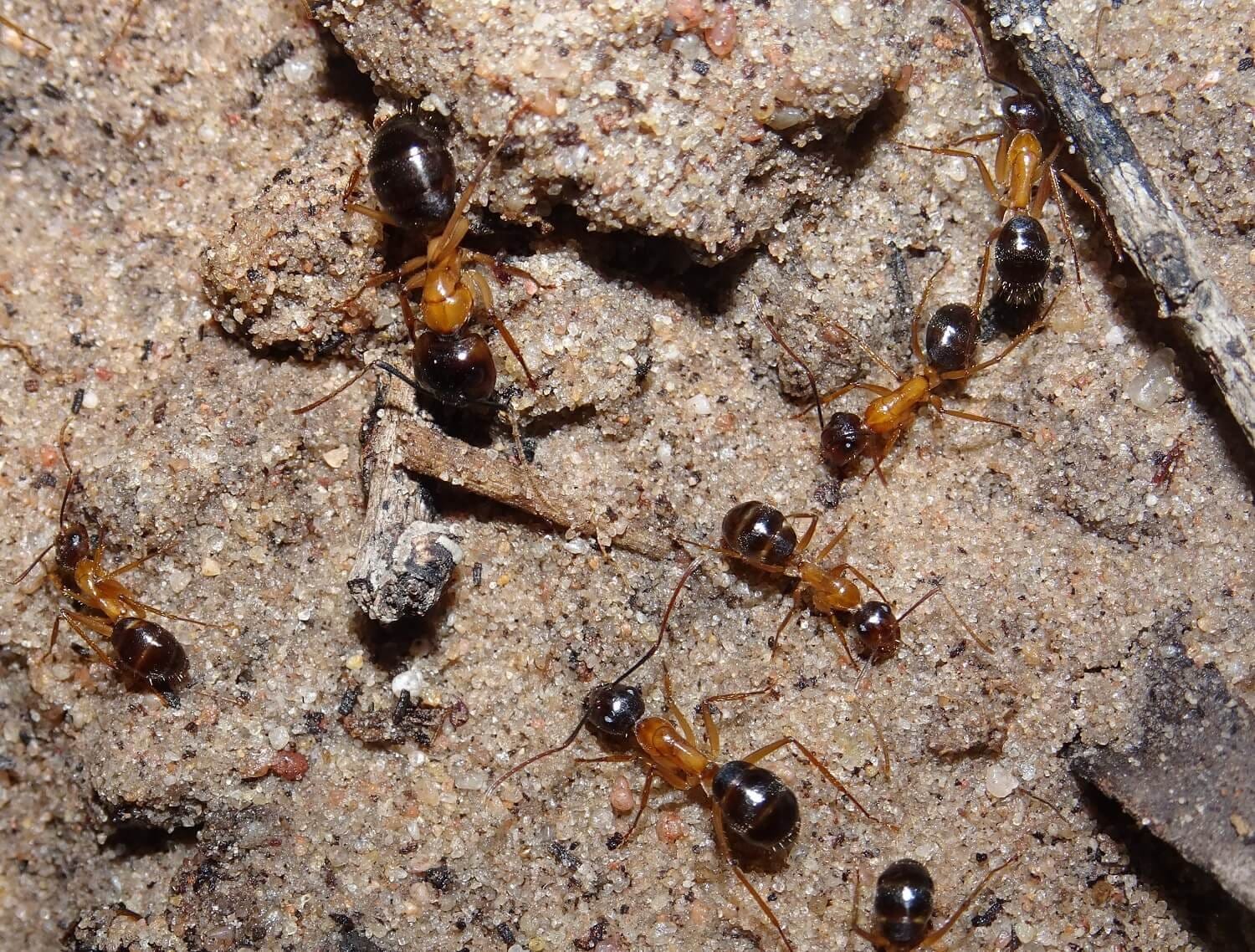
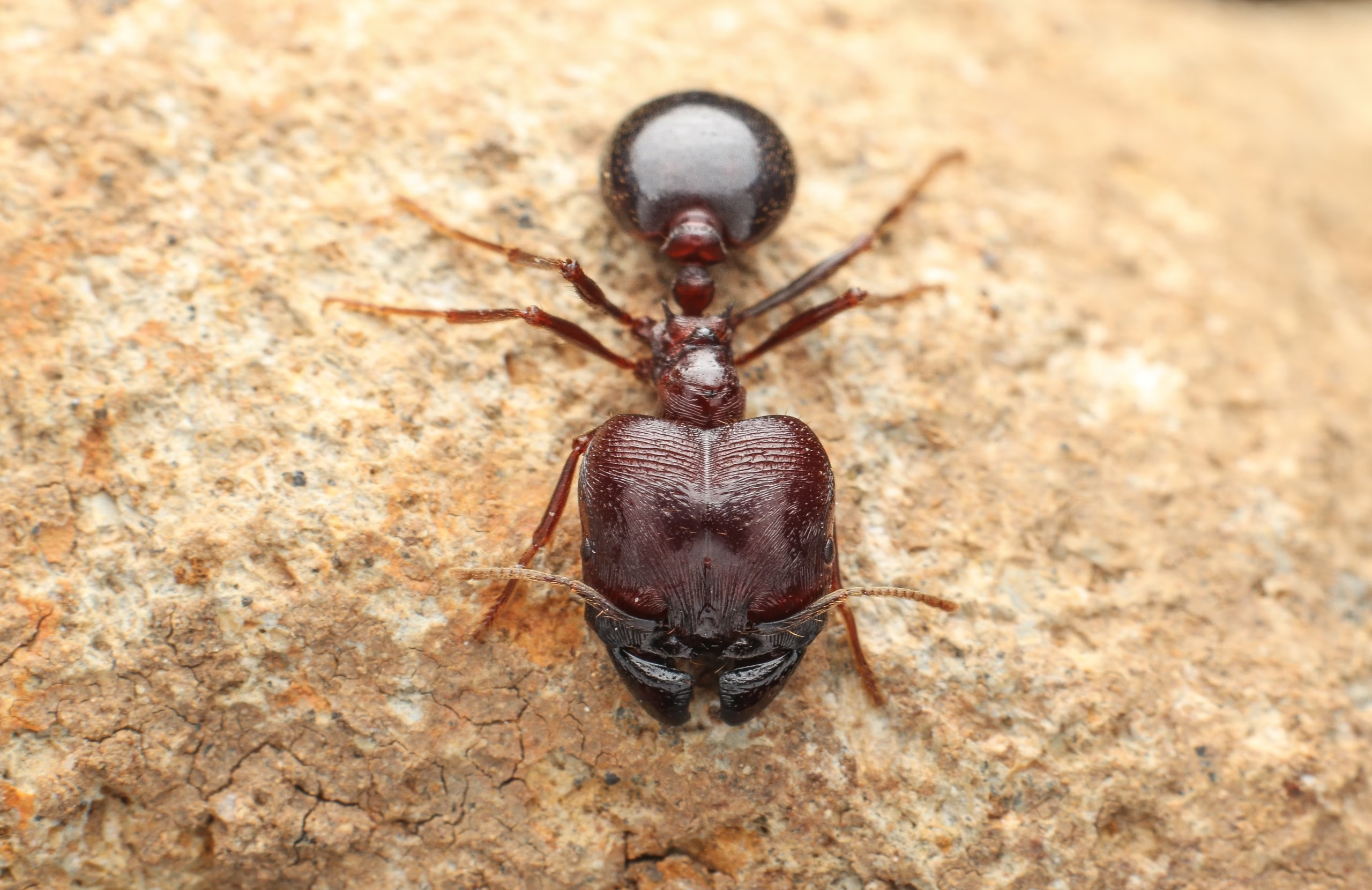
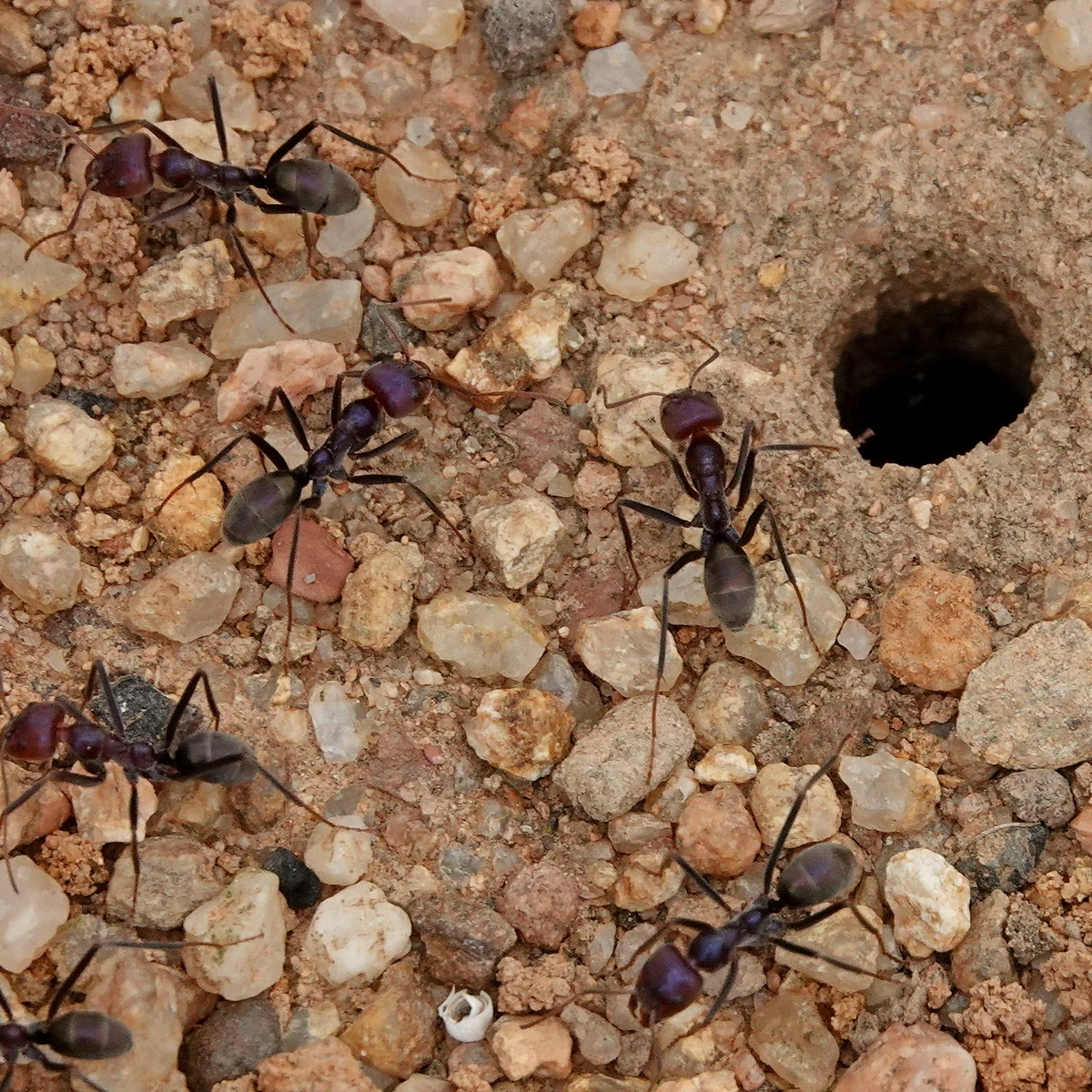
Australia has an incredible range of native ants. Some are great beginner colonies. Others, like bull ants and jumping jacks, are better suited to experienced keepers with secure setups and a serious respect for stings.
Everyday ant care
Once you have a queen or young colony, the boring basics matter most: feeding properly, managing heat and humidity, preventing escapes, and keeping feeder insects clean. Tiny drama prevention, basically.
Feeding guide
Sugar, protein, water, feeder insects and how often to feed by colony stage.
Temperature & humidity
Australian seasonal care, safe heating, hydration and avoiding tiny glass saunas.
Breeding mealworms
A clean protein source for growing colonies, without surprise mites or mould.
About Ant Keeping Australia
Ant Keeping Australia is a growing guide for Australian keepers who want practical, beginner-friendly information without the guesswork. The goal is simple: help more people keep healthy colonies, respect native species and enjoy one of the most underrated hobbies around.