Ant Stings & Bites in Australia: First Aid and Safety
Practical safety guidance for Australian ant keepers: stings, bites, allergic reactions, safe handling and when to get medical help.
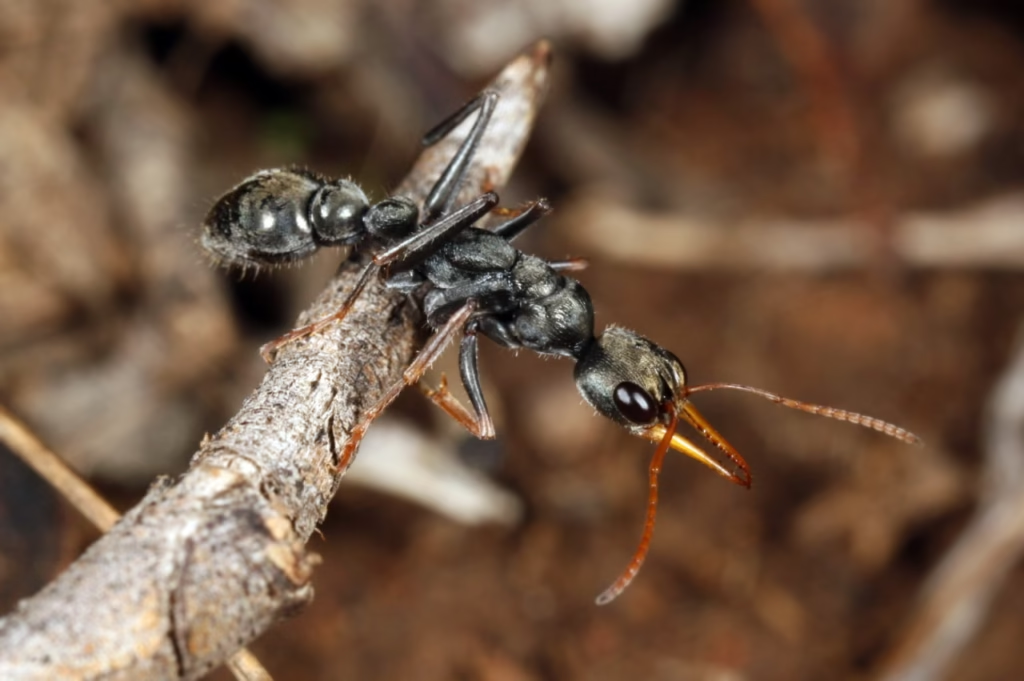
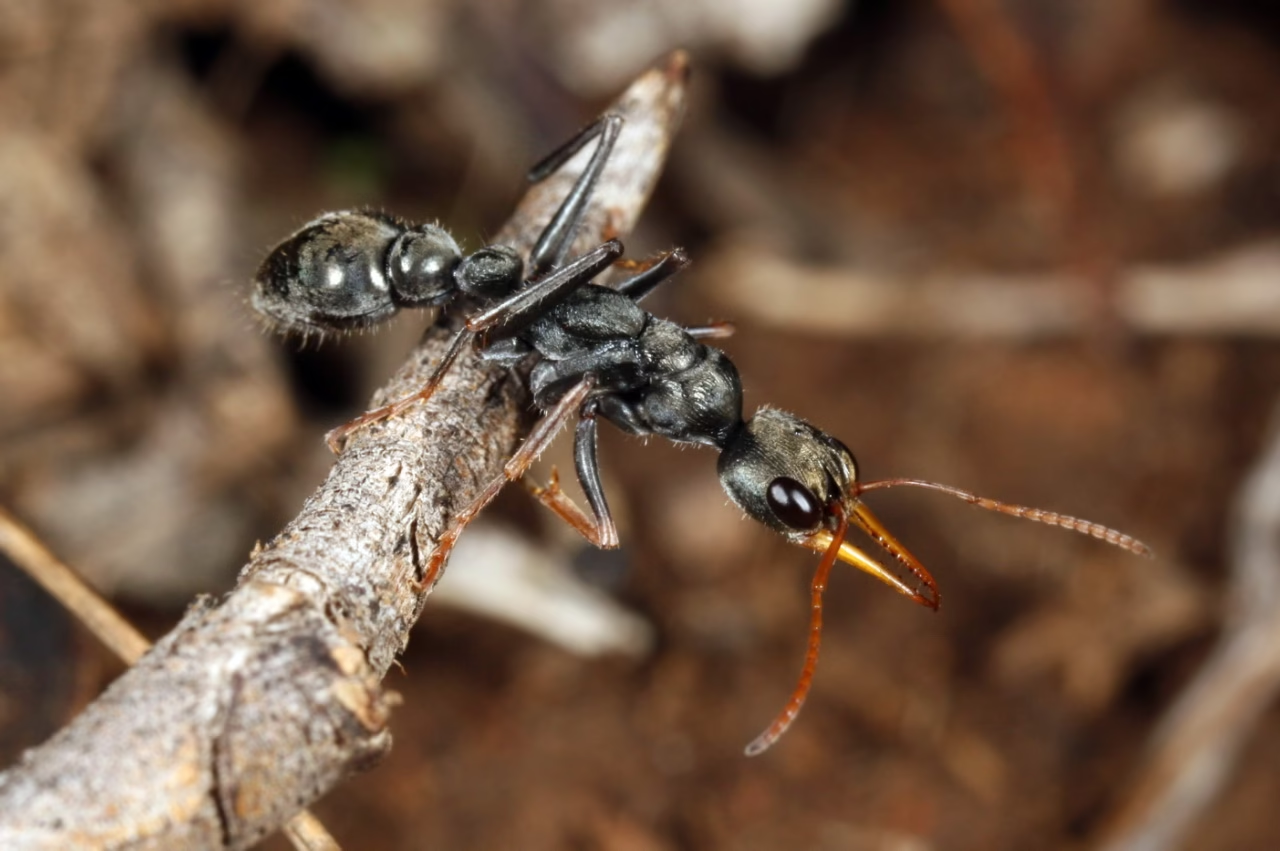
Australia has ants worth respecting. Some are basically tiny lawn gremlins. Others, like bull ants and jumping jacks, can deliver painful stings and in sensitive people may trigger serious allergic reactions. This guide is for ant keepers, parents and beginners who want practical safety advice without turning every ant into a horror movie villain.
Quick answer
Do not handle stinging ants with bare hands. Use secure lids, barriers, long tools and a secondary work tub. For minor stings, move away from the ants, clean the area, apply a cold pack and monitor symptoms. If there are signs of anaphylaxis — trouble breathing, swelling of the face/throat, dizziness, collapse or widespread rash — treat it as an emergency and call emergency services.
Important medical note
This page is general safety information, not medical advice. If someone has a known insect-sting allergy, follow their medical action plan. If symptoms are severe, unusual or worsening, seek professional medical help.
Stings vs bites
| Type | What happens | Examples |
|---|---|---|
| Bite | Mandibles pinch or cut skin. Some ants can also spray chemicals into the bite. | Sugar ants can bite and spray formic acid. |
| Sting | Venom is injected using a sting. | Bull ants, jumping jacks, green-headed ants. |
| Irritation | Burning, itching or redness from venom, acid or skin sensitivity. | Varies by species and person. |
Emergency warning signs
Call emergency services if any of these occur after a sting or bite:
- trouble breathing
- tight throat or difficulty swallowing
- swelling of face, lips, tongue or throat
- dizziness, faintness or collapse
- widespread hives/rash
- confusion or sudden weakness
- known severe allergy and suspected sting
If an adrenaline autoinjector has been prescribed, use it according to the person’s action plan. Do not “wait and see” with suspected anaphylaxis.
First aid for minor stings and bites
- Move away from the ants.
- Remove ants from skin/clothing carefully.
- Wash the area with soap and water.
- Apply a cold pack wrapped in cloth.
- Avoid scratching.
- Monitor for allergic symptoms.
- Seek advice if pain, swelling or symptoms seem severe or unusual.
Which ants need extra respect?
- Bull ants / Myrmecia: large, visual hunters, powerful sting, not beginner toys.
- Jumping jacks: small-ish but serious; known allergy concern in Australia.
- Green-headed ants: beautiful metallic workers but capable of painful stings.
- Meat ants: fast and defensive; more bite/irritation and escape chaos than cuddly pet.
Safe handling setup
- work inside a large plastic tub or tray
- use long tweezers, forceps or a soft brush
- keep a catch cup ready
- close doors/windows before risky maintenance
- avoid loose sleeves and clutter
- label stinging colonies clearly
- never let children open stinging-ant setups unsupervised
Beginner species advice
If you are new, do not start with a highly defensive stinging species just because it looks cool. There are plenty of interesting Australian ants that are easier to manage. Your first colony should teach you feeding, hydration and escape-proofing — not emergency footwork.
Pet and child safety
Keep setups somewhere stable, high enough to avoid bumps, and away from curious kids or pets. A knocked-over outworld full of defensive ants is not “hands-on learning”; it is a tiny workplace incident.
Related guides
- Ant Barrier Guide
- Jumping Jack Ant Care Guide
- Golden-Tailed Bull Ant Care
- Green-Headed Ant Care Guide
- Best Beginner Ant Species
Bottom line
Respect the ant, design the setup so you do not need to touch it, and know the emergency signs. Good safety is not fear; it is boring preparation doing its job.