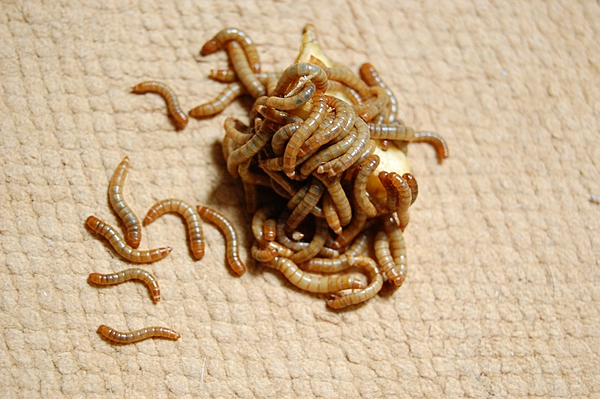
Best Feeder Insects for Ants: Mealworms, Crickets & Fruit Flies
A practical Australian guide to feeder insects for ants: what to use, how much to feed, when to remove leftovers and how to avoid mould and mites.
Feeding ants is simple once you understand the job of each food type. Workers mostly need quick energy. Larvae need protein to grow. The queen needs a stable colony around her. The keeper needs to stop turning the outworld into a tiny buffet crime scene.
Quick answer
The best feeder insect for most beginner ant keepers is usually a clean, captive-bred mealworm cut into tiny pieces. Fruit flies are better for very small workers, while cricket or woodie pieces suit larger colonies. Pair protein with clean water and a carbohydrate source such as sugar water or nectar, then adjust feeding to colony size and brood amount rather than following a rigid calendar.
If you only remember one rule: feed smaller portions than you think, then remove uneaten protein before it becomes mould or mite bait.
The three feeding basics
| Need | What it does | Examples |
|---|---|---|
| Water | Hydration and nest humidity | Test tube reservoir, water feeder, hydrated nest |
| Sugars/carbs | Worker energy | Sugar water, honey water, ant nectar, honeydew substitutes |
| Protein | Larval growth and colony development | Mealworms, crickets, roaches, fruit flies, other safe feeders |
Sugar: worker fuel
Adult workers use sugars for energy. A colony with active workers but little sugar may become sluggish or desperate to forage. Offer tiny drops for small colonies or use a liquid feeder for larger colonies.
- sugar water is cheap and easy
- honey water is accepted by many species but can be sticky
- commercial nectar is convenient
- avoid drowning workers in open liquid
- clean spills before they become ant glue
Protein: brood fuel
Protein matters most when larvae are present. If a colony has lots of larvae, it usually needs more protein. If it has no larvae and only workers, protein demand may be lower. This is why brood-based feeding beats blindly feeding “every second day forever”.
Feeding by colony stage
| Stage | Sugar | Protein | Notes |
|---|---|---|---|
| Fully claustral queen only | Usually none | None | Do not fuss unless species requires feeding. |
| Semi-claustral queen | Tiny controlled access | Tiny protein pieces | Needs safe feeding area. |
| First workers | Tiny drop or feeder | Very small pieces once/twice weekly | Remove leftovers quickly. |
| Small growing colony | Regular small sugar access | 1–3 small protein feeds weekly | Adjust to larvae and acceptance. |
| Large colony | Reliable feeder | Frequent protein as needed | Use trays and cleanup routine. |
Best feeder insects for ants: quick comparison
| Feeder insect | Best for | Why it works | Main caution |
|---|---|---|---|
| Mealworms | Most beginner colonies | Cheap, easy to freeze, easy to cut into tiny pieces and accepted by many species. | Whole larvae are too large for small colonies; cut and remove leftovers. |
| Fruit flies | Tiny workers, founding colonies and small Pheidole/Ochetellus-type workers | Small, soft-bodied protein that is easier for little workers to process. | Culture escapes are annoying; use carefully and avoid contamination. |
| Crickets | Medium to larger colonies needing bigger protein feeds | Useful protein source when bought captive-bred and portioned correctly. | Can be messy; use pre-killed pieces and remove uneaten wet parts quickly. |
| Woodies / roaches | Growing colonies that accept larger prey | Clean, reliable feeder if sourced well and portioned to worker size. | Too much at once can foul a warm outworld fast. |
| Other captive-bred insects | Variety once you know what your colony accepts | Can prevent relying on one feeder type. | Avoid wild-caught insects from sprayed or unknown areas. |
For most Australian beginner keepers, the safest answer is not one magic insect: use clean captive-bred feeders, match the piece size to the workers, and remove uneaten protein before it turns into mould or mite bait.
Good feeder insects
- mealworms
- crickets
- woodies/roaches
- fruit flies
- small moths or other safe captive-bred feeders
Captive-bred feeders are safer than random wild insects. Wild insects may carry pesticides, mites or parasites. If you do use wild-caught prey, avoid roadsides, sprayed gardens and unknown chemical areas.
How much protein?
Start smaller than you think. A tiny colony might need a piece of mealworm smaller than a grain of rice. If ants ignore it, remove it. If larvae are present and workers swarm the food, offer a little more next time.
| Colony situation | Good starting protein portion | Check/remove by |
|---|---|---|
| Queen with first workers | Pinhead-sized mealworm or fruit fly piece once or twice weekly. | Same day if ignored; within 24 hours if accepted. |
| Small colony with visible larvae | 1–3 tiny feeder pieces per week, adjusted to response. | Within 24 hours, sooner in warm humid setups. |
| Fast-growing colony | Several small feeds rather than one huge wet chunk. | Daily cleanup routine. |
| No larvae / low activity | Less protein; keep sugars and water stable. | Remove ignored food quickly. |
Foods to be careful with
- raw meat: messy and spoils fast
- processed human food: salt, oils and additives
- citrus/acidic scraps: often unnecessary
- wild insects from unknown areas
- large wet fruit pieces that mould quickly
Mould and mite prevention
Most feeding problems come from overfeeding protein and leaving leftovers too long. Protein plus warmth plus humidity equals tiny biology having a party you did not invite.
- use feeding trays or foil
- remove protein within 24 hours, sooner if warm
- feed smaller portions more often
- keep sugar feeders clean
- quarantine feeder cultures
- do not let waste build up in outworlds
Species differences
Sugar-loving Camponotus may hammer carbohydrates. Pheidole colonies with brood may respond strongly to protein. Tiny Ochetellus-type workers often do better with very small protein portions or fruit flies. Semi-claustral species such as some Myrmecia and Polyrhachis need safe feeding access during founding. Seed-associated species may use seeds as part of their diet. Stinging or fast species need feeding setups that let you work safely. The rule is: feed the colony you have, not the one in a random internet comment.
For species-specific examples, see the Banded Sugar Ant guide, Black Household Ant guide, Golden Spiny Ant guide and Golden-Tailed Bull Ant guide.
Feeder insect keyword FAQ
What is the best feeder insect for ants?
The best feeder insect for most beginner ant colonies is usually a clean, captive-bred mealworm piece, cricket piece, roach/woodie piece or fruit fly. Mealworms are often the easiest starting point, while fruit flies suit very small workers. The “best” choice depends on worker size, brood demand and how quickly you can remove leftovers.
Can ants eat mealworms?
Yes, many ant colonies will accept chopped or pre-killed mealworms. They are easy to portion, easy to freeze and useful for small colonies when offered in tiny amounts. If you want a steady clean supply, read the mealworm breeding guide.
Are crickets or mealworms better for ants?
Mealworms are usually easier for beginners because they are simple to freeze, cut and portion. Crickets can be useful for larger colonies, but they are messier and should be pre-killed and chopped to a safe size.
Are fruit flies good feeder insects for ants?
Fruit flies are useful for very small workers and young colonies because they are soft and small. Keep cultures clean and handle them carefully so you do not create an escape circus in the room.
How often should you feed ants protein?
Small colonies may only need tiny protein feeds once or twice a week, while growing colonies with lots of brood may need more frequent feeding. The safer rule is to offer small portions and remove leftovers before they spoil.
Can ants survive on sugar water alone?
Workers use sugar for energy, but colonies usually need protein to raise brood. Sugar water keeps workers fuelled; protein helps larvae grow.
Useful feeding tools
Disclosure: Some product links on this page may be affiliate links. As an Amazon Associate, Ant Keeping Australia may earn from qualifying purchases at no extra cost to you.
A few simple tools make feeding cleaner and safer: long feeding forceps for protein foods and cleanup, plus clear tubs for temporary work areas or outworld-style feeding spaces once modified safely.
Budget setup? If you are trying to start cheaply, use Ant Keeping on a Budget in Australia before buying a display nest. It shows what to buy first, what to skip, and when to upgrade.
Related guides
- Where to Buy Ant Keeping Supplies in Australia
- Best Ant Keeping Starter Kit Australia
- Breeding Mealworms
- Preventing Mites
- Mould in an Ant Nest
- Ant Keeping Gear Checklist
- Beginner Ant Keeping Mistakes
- Ant Keeping on a Budget in Australia — cheap starter setup without buying the wrong nest first.
Sources and further reading checked
Bottom line
For most beginners, start with tiny pieces of captive-bred mealworm, add fruit flies for very small ants, and use cricket or woodie pieces when the colony is big enough to clean them up. Sugar keeps workers running; protein grows larvae; water keeps the system alive. The best feeding routine is the one that leaves healthy ants and no mouldy crime scene behind.