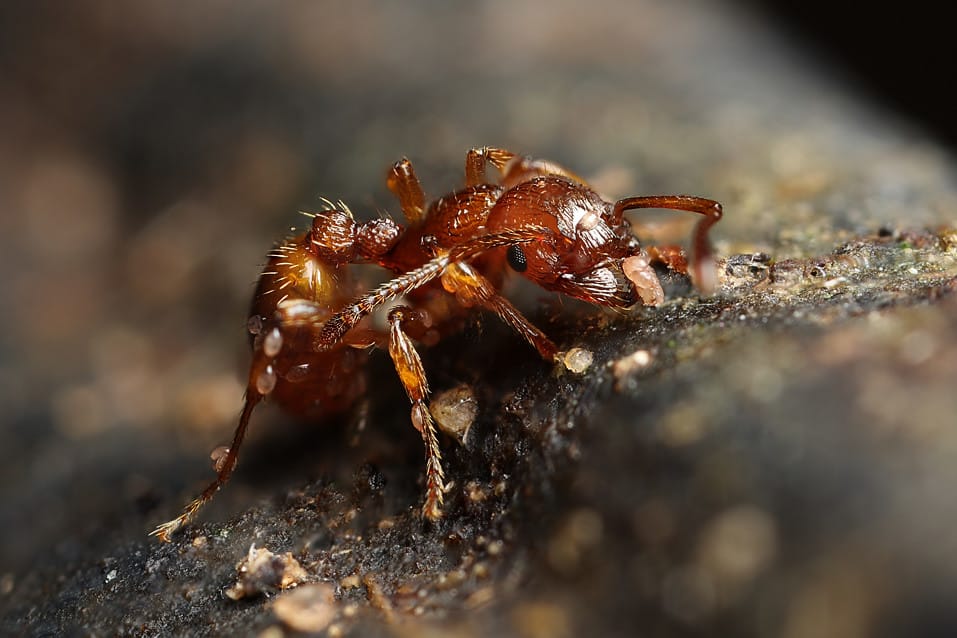
Preventing Mites in Ant Colonies
A practical mite-prevention guide for ant keepers: warning signs, feeder safety, quarantine, hygiene and what to do if you spot tiny moving dots.
Mites are one of the ant-keeping problems that make beginners squint at the nest and whisper, “is that dust moving?” Sometimes it is harmless debris. Sometimes it is mites. Either way, prevention is much easier than trying to rescue a colony after a real infestation.
Quick answer
Prevent mites by quarantining new ants and natural materials, using clean feeders, removing old protein quickly, avoiding constantly wet setups, keeping tools clean, and inspecting colonies regularly. If you suspect mites, isolate the colony before doing anything else.
Are all mites dangerous?
No. Some mites are scavengers that feed on waste or old food. Others can stress or harm ants, especially if they attach to workers, queens or brood. Beginners do not need to identify every mite instantly, but they do need to know when to act.
Warning signs
- tiny moving dots on ants, brood, cotton or nest walls
- mites clustered around joints, mouthparts or larvae
- workers grooming excessively
- queen covered in specks
- mites appearing after new feeders, soil, plants or decor
- colony suddenly avoiding areas with old food
Common mite sources
| Source | Risk | Prevention |
|---|---|---|
| Live feeder insects | Mites or contaminated substrate | Use clean feeders, inspect, freeze if appropriate. |
| Wild insects | Mites, pesticides, parasites | Avoid risky collection areas. |
| Soil/plants/decor | Hitchhikers and eggs | Quarantine first. |
| Old protein | Scavenger mite food source | Remove leftovers quickly. |
| Shared tools | Cross-contamination | Clean or separate tools. |
Prevention routine
- quarantine new colonies
- quarantine soil, plants and decor
- feed smaller protein portions
- remove protein within 24 hours, sooner in warm/humid setups
- keep nests hydrated but not swampy
- clean feeding dishes
- avoid sharing tools between sick and healthy colonies
- inspect under good light weekly
What to do if you suspect mites
- Isolate the colony from other setups.
- Stop sharing tools immediately.
- Remove old food and obvious waste.
- Take clear photos/video for identification help.
- Check whether mites are on food/waste or attached to ants/brood.
- Prepare a clean transfer setup if the nest is contaminated.
- Avoid random chemical treatments unless advised by experienced keepers or professionals.
When is it urgent?
Mites on old food are less scary than mites attached to a queen or brood. If the queen is covered, workers are dying, brood is affected or the nest is crawling with mites, treat it as urgent: isolate, document, clean what you safely can, and seek experienced advice.
Feeding habits that reduce mites
Most mite prevention is just boring good husbandry. Feed less protein more often instead of huge chunks. Use trays or foil so leftovers are easy to remove. Do not leave half a cricket in a warm outworld until it becomes a tiny haunted buffet.
Ant mite keyword FAQ
What are ant mites?
Ant mites are tiny mite-like pests or scavengers that may appear in ant setups, feeder insect tubs, old food, damp substrate or directly on ants. Not every mite is equally dangerous, so first work out whether they are on the ants, on the food, or just in waste material.
How do you tell mites from ants?
Mites are usually much smaller, rounder and slower than ants. They often look like tiny moving dots. Ant workers have clear body sections, legs and antennae; mites look more like specks or small beads moving across food, cotton or nest surfaces.
Do ants eat mites?
Some ants may eat tiny arthropods or clean up pests, but you should not rely on ants to control a mite problem. If mites are multiplying, remove old food, isolate the colony, reduce excess moisture where safe and consider a clean test tube transfer.
How do mites get into ant colonies?
Mites commonly arrive through feeder insects, old food, wild soil, bark, plants, dirty tools or damp neglected setups. Clean feeding habits and quarantine are much easier than trying to save a badly infested colony later.
Prevention setup links
Mite prevention is easier with clean feeding and simple gear. See the Ant Feeding Guide, Where to Buy Ant Keeping Supplies in Australia, and Starter Kit Guide.
Winter mite risk: stale food and damp setups
Mite problems often start with ordinary husbandry drift: too much protein left in a slow colony, damp substrate, feeder tubs kept too close to nests, or old food hidden in an outworld. Winter can make this worse because ants may forage less while food and moisture stay in the setup longer.
- Offer smaller protein portions during cool slowdowns and remove leftovers promptly.
- Keep feeder insects, dry foods and quarantine tubs away from established colonies.
- Inspect around cotton, food dishes, dead insects and damp corners before assuming mites are on the ants themselves.
- If you see moving dots, isolate the setup first; do not share tools between colonies until you know what is happening.
Pair this with the winter ant keeping guide, the mould response guide and the quarantine checklist for a safer cold-weather routine.
Related guides
- Quarantine New Ants
- Ant Feeding Guide
- Breeding Mealworms
- Mould in an Ant Nest
- Bioactive Formicarium Guide
Simple weekly mite check
Once a week, look at the queen, brood pile, cotton, feeding area and any old protein spots under good light. You are looking for movement that is not ants: tiny dots walking across surfaces, clusters around food, or specks attached to ants. A quick check is enough; do not dismantle a calm colony just to hunt for imaginary monsters.
Bottom line
The best mite treatment is not introducing them. Quarantine, clean feeding, fast leftover removal and separate tools will prevent most disasters before they become a speckled nightmare.