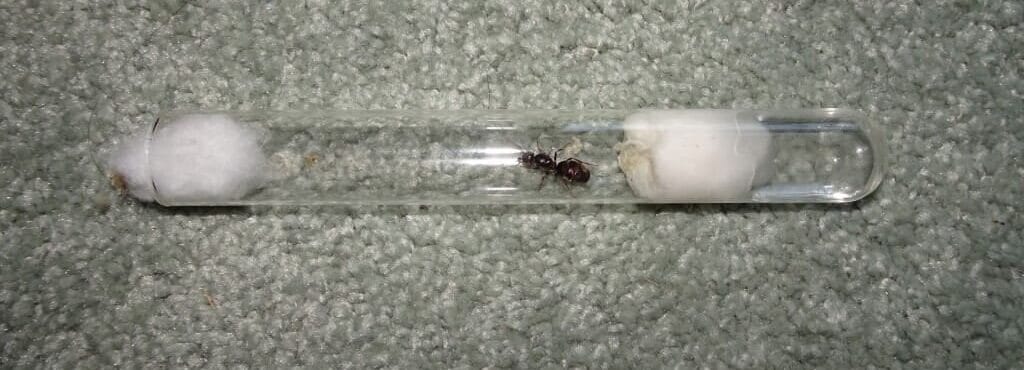
Quarantine New Ants, Feeders & Plants
How to keep mites, mould, pests and mystery problems away from your main ant colonies before they become everyone’s problem.
Quarantine is boring right up until it saves your whole collection. New queens, colonies, feeder insects, live plants, soil, bark and second-hand gear can bring in mites, mould, fungus gnats or other problems. The goal is simple: keep new things separate until they prove they are not tiny biological chaos parcels.
Quick answer
Keep new ants, feeders, plants, soil, decor and used equipment away from your main colonies at first. Use separate tools where possible, inspect regularly, handle quarantine items last, and do not share food dishes, tubing or nest parts between quarantine and healthy colonies.
What should be quarantined?
- new queens and colonies
- feeder insects
- wild-caught insects
- live plants, moss and bioactive material
- soil, bark, rocks, logs and leaf litter
- second-hand nests, outworlds and tubing
- anything from an unhealthy or unknown colony
Basic quarantine setup
- separate shelf, tub or room area
- clear labels with arrival/capture date
- separate tweezers/brushes if possible
- easy-clean surface
- no shared feeding dishes
- quarantine colonies handled after healthy colonies
- rubbish removed immediately
Suggested quarantine periods
| Item | Suggested minimum | Watch for |
|---|---|---|
| New queen/colony | 1–2 weeks minimum observation | mites, odd deaths, mould, unusual behaviour |
| Feeder insects | inspect before feeding | mites, smell, mass die-off, contamination |
| Plants/soil/decor | 2+ weeks if possible | fungus gnats, mites, mould, unwanted insects |
| Used nests/outworlds | clean and dry before use | residue, pests, cracks, hidden waste |
New ants: what to inspect
- tiny moving dots on workers, queen or brood
- dead workers beyond normal transport stress
- wet cotton, bad smell or mould
- unusual lethargy
- mites or pests in the shipping container
- species ID and whether care needs differ
Feeder insects
Feeders are one of the easiest ways to introduce mites or contamination. Captive-bred feeders are generally safer than random wild insects. If using wild-caught insects, avoid sprayed gardens, roadsides and unknown chemical areas.
Freezing feeder insects can reduce some risks and makes feeding easier, but it is not magic. Still inspect them, still remove leftovers, and still keep feeding areas clean.
Plants, soil and natural decor
Bioactive setups are brilliant when done well, but live material can bring hitchhikers. Quarantine plants and natural decor in a separate container. Watch for gnats, mites, mould bursts and surprise tiny roommates. Ants are enough; you do not need bonus livestock.
Second-hand gear
Used nests and outworlds can hide dead insects, waste, mites, old bait, mould or cleaning residue. Clean thoroughly, rinse well, dry fully and inspect before reuse. If the material cannot be cleaned properly, do not risk it with a valuable colony.
Quarantine mistakes
- putting new colonies next to healthy ones immediately
- using the same tweezers across everything
- feeding live/wild insects without inspection
- adding garden soil straight into an outworld
- assuming “looks fine” after ten minutes is enough
Cold-weather quarantine checks
In cooler months, quarantine is less about rushing growth and more about watching moisture, food hygiene and hitchhikers. New ants, feeder tubs and natural decor can look fine for the first few days, then show mould, mites or fungus gnats once they sit in a warm room.
- Keep quarantine containers physically separate from your main colonies.
- Use smaller food portions while ants are slow and remove leftovers early.
- Check condensation, cotton, substrate and feeder tubs with a torch before moving anything near established nests.
- Handle quarantine items last, then wash hands/tools before touching healthy colonies.
If the problem is seasonal slowdown rather than a true pest issue, use the Australian winter care guide before changing heat, feeding or housing.
Related guides
Simple quarantine workflow
Keep a small “new stuff” tub or shelf. Anything new goes there first: feeders, plants, bark, soil, used gear or a new colony. Label the date, inspect it over time, and only move it near your main colonies when it has behaved itself. This is not glamorous, but neither is explaining how one dodgy feeder tub gave every colony mites.
Bottom line
Quarantine is cheap insurance. Keep new things separate, inspect them properly, and make problems prove they are not problems before they get near your main colonies.