
Ant Keeping Gear Checklist
What beginners actually need to keep ants safely: test tubes, cotton, feeders, barriers, outworlds, nests, tools and what not to waste money on.
Ant keeping gear can be wonderfully simple or suspiciously expensive. Beginners often buy a fancy formicarium before they have a queen, then discover the best first setup is a test tube, cotton and patience. Very glamorous. Very true.
Quick answer: what do beginners actually need?
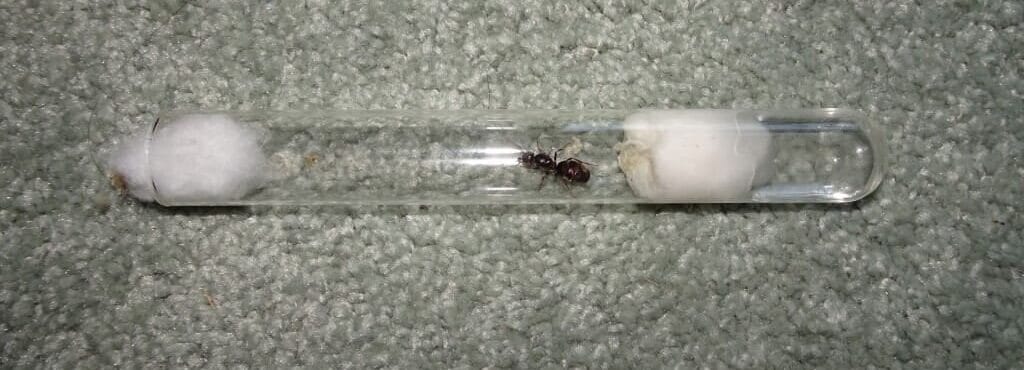
Start with test tubes, cotton, a dark cover, small containers, feeding tools, a safe sugar source, clean protein feeders, and basic escape prevention. Add an outworld when workers arrive. Buy a formicarium only when the colony is ready for one.
Gear by colony stage
The right ant keeping gear depends on the colony stage. Buying too far ahead is how beginners end up with oversized nests, escapes and mould dramas.
| Stage | Best gear | Best next guide |
|---|---|---|
| Fresh queen | Test tube, cotton, water, dark sleeve, label and patience. | Queen Ant Test Tube Setup |
| First workers | Tiny feeding dish, forceps, sugar source and small protein portions. | Ant Feeding Guide |
| Small colony | Tube plus small outworld, secure lid and barrier plan. | Ant Barrier Guide |
| Growing colony | Correctly sized formicarium, hydration control, tubing and maintenance tools. | Ant Nests 101 |
| Shopping phase | Compare simple supplies first, then upgrade only when the colony needs it. | Where to Buy Supplies |
Want the simple shopping version?
If you just want the practical starter-kit path, read Best Ant Keeping Starter Kit Australia. It explains what to buy first, what to delay, and how to avoid wasting money on oversized nests.
Starter gear options
Ant Keeping Australia is not currently participating in the Amazon Associates programme.
These are practical starter options, not magic products. Check sizes and use the care notes below before buying.
- 16x150mm glass test tubes — good founding-size tubes; use cotton plugs for airflow and water, not airtight rubber stoppers.
- Long feeding forceps/tongs — useful for feeding and cleanup without putting fingers near defensive ants.
- Digital thermometer/hygrometer with probe — useful for checking room/setup conditions before making heating changes.
- Simple magnifying glass — handy for queen checks, brood checks and rough ID without constantly disturbing the setup.
- Clear storage tubs — useful work tubs or starter outworld candidates; add ventilation and escape control before using with ants.
Essential starter kit
| Item | Why you need it | Beginner notes |
|---|---|---|
| Test tubes | Best founding setup for many queens | Buy several; tubes fail, dry or get dirty. |
| Cotton balls | Water plug and breathable entrance | Use firm plugs, not fluffy escape doors. |
| Clean water | Hydration reservoir | Do not overfill; leave dry chamber space. |
| Foil/paper sleeve | Darkness for founding queens | Cheap and effective. |
| Labels/marker | Track dates/species/location | Future you will thank present you. |
| Tweezers/soft brush | Feeding and gentle handling | Long tools are safer for defensive species. |
| Small containers | Temporary work tubs/outworlds | Useful for transfers and feeding. |
Nice-to-have gear once workers arrive
- small outworld with lid
- PTFE/Fluon or talc barrier
- feeding trays or foil squares
- liquid feeder for sugar water
- vinyl tubing/connectors
- catch cup
- magnifier or macro lens
- spare test tubes ready before emergencies
Need suppliers?
For supplier types, buying checks and Australian store research, see Where to Buy Ant Keeping Supplies in Australia.
Food and feeding supplies
Ant colonies usually need carbohydrates for worker energy and protein for brood growth. For beginners, keep it clean and boring:
- sugar water or honey water
- commercial ant nectar if you want convenience
- mealworms, crickets, roaches or fruit flies from safe sources
- freezer/container for feeder portions
- foil or feeding dishes for easy cleanup
Do not leave protein sitting around until it becomes a mouldy horror snack. Feed smaller portions and remove leftovers.
Escape prevention gear
Every setup needs escape prevention before ants are added, not after workers are already exploring your desk like they pay rent.
- secure lids
- fine mesh ventilation
- tight tubing and plugs
- PTFE/Fluon for outworld rims
- talc/alcohol barrier as a budget option
- secondary tub for risky maintenance
When to buy a formicarium
Buy or build a formicarium when the colony has enough workers to use it. Queen-only and very small colonies usually do better in test tubes. The first upgrade is often a tube connected to a small outworld, not a giant nest.
Common beginner purchases to delay
- large decorative nests
- big naturalistic setups before you understand moisture
- heating cables without a thermostat or plan
- multiple species before you can care for one
- random wild soil/plants without quarantine
- expensive gear that solves a problem you do not have yet
Budget starter path
- Catch or obtain a queen legally and responsibly.
- House her in a test tube setup.
- Keep spare tubes and cotton ready.
- When workers arrive, add tiny feeds.
- Move to a small outworld when feeding gets awkward.
- Upgrade to a small formicarium only when the colony needs it.
Species-specific gear notes
| Species type | Extra gear concern |
|---|---|
| Very small ants | Fine mesh, tight lids, better barriers. |
| Stinging ants | Long tools, secondary tub, clear labels. |
| Fast-growing colonies | Expandable outworld/nest plan. |
| Moisture-loving species | Reliable hydration and mould control. |
| Large slow species | Patience; do not overbuy nests too early. |
Beginner shopping list: cheapest useful setup
If you are brand new, do not buy everything at once. This is the simple, sensible starter stack:
- 10–20 clean test tubes
- cotton balls
- small plastic containers for temporary outworlds
- tweezers or forceps
- sugar/honey for sugar water
- one safe feeder insect source
- PTFE/Fluon or talc barrier once workers need an outworld
That setup can carry you from queen capture through first workers without buying a giant nest that the colony does not need yet.
Affiliate and review policy
Read the affiliate disclosure and recommendation policy.
Any affiliate relationships should be clearly disclosed. The rule here is simple: recommend gear because it is useful, not because it pays. Beginner ants do not care about commission rates, and neither should your queen in a test tube.
Reviews should always separate:
- Essential gear — genuinely needed for safe care.
- Convenience gear — helpful but optional.
- Display gear — nice once the colony is ready.
- Delay it — tempting but not useful yet.
Australian supplier comparison notes
Good supplier pages should eventually compare price, shipping, replacement parts, beginner-friendliness, nest sizing, barrier options and whether the gear suits Australian species. Treat supplier links as research/helpful resources unless a paid relationship is explicitly disclosed.
Related guides
- Test Tube Setup for Queen Ants
- What to Do After Catching a Queen
- Ant Feeding Guide
- Ant Barrier Guide
- Ant Nests 101
- Formicarium Upgrade Guide
- Ant Keeping on a Budget in Australia — the cheapest sensible starting path.
Bottom line
The best beginner gear is simple, safe and sized for the colony you actually have. Start with test tubes and good habits. Buy fancy nests later, when the ants need them — not when your shopping brain gets itchy.