Ant Nests 101: Choosing the Best Formicarium for Your Colony

Not all ants use the same kind of home. Some dig deep underground, others prefer wood hollows, and some settle happily into an acrylic setup. Choosing the right ant nest affects colony growth, health and behaviour. Pick the wrong one — too dry, too humid, too bright, or too small — and you can invite escapes, mould problems, or a slow decline.

This guide compares the best ant nest types, explains when to use each, and gives practical, hobbyist-friendly tips for humidity, nest sizing, escape prevention and maintenance so you can pick a home that suits both your ants and your setup.


Quick comparison — at a glance

Nest type Best for Strengths Watch-outs
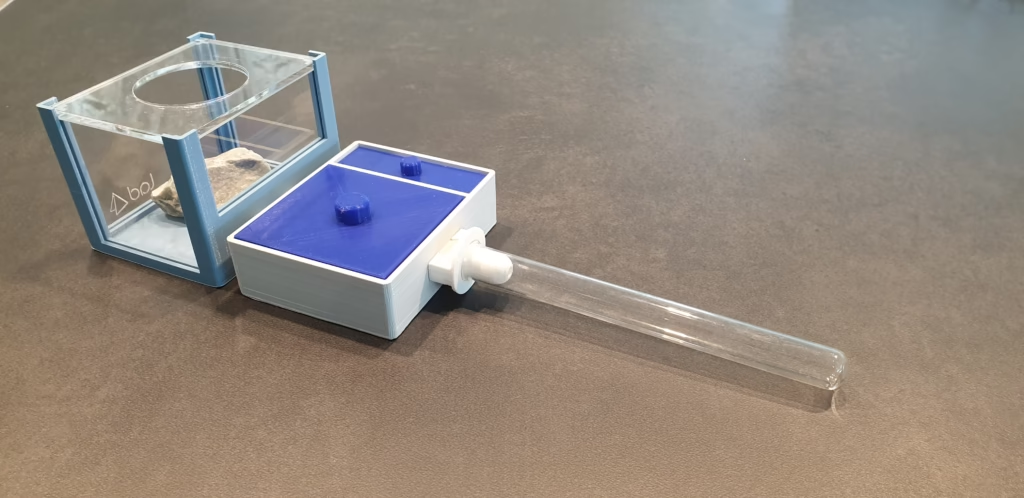
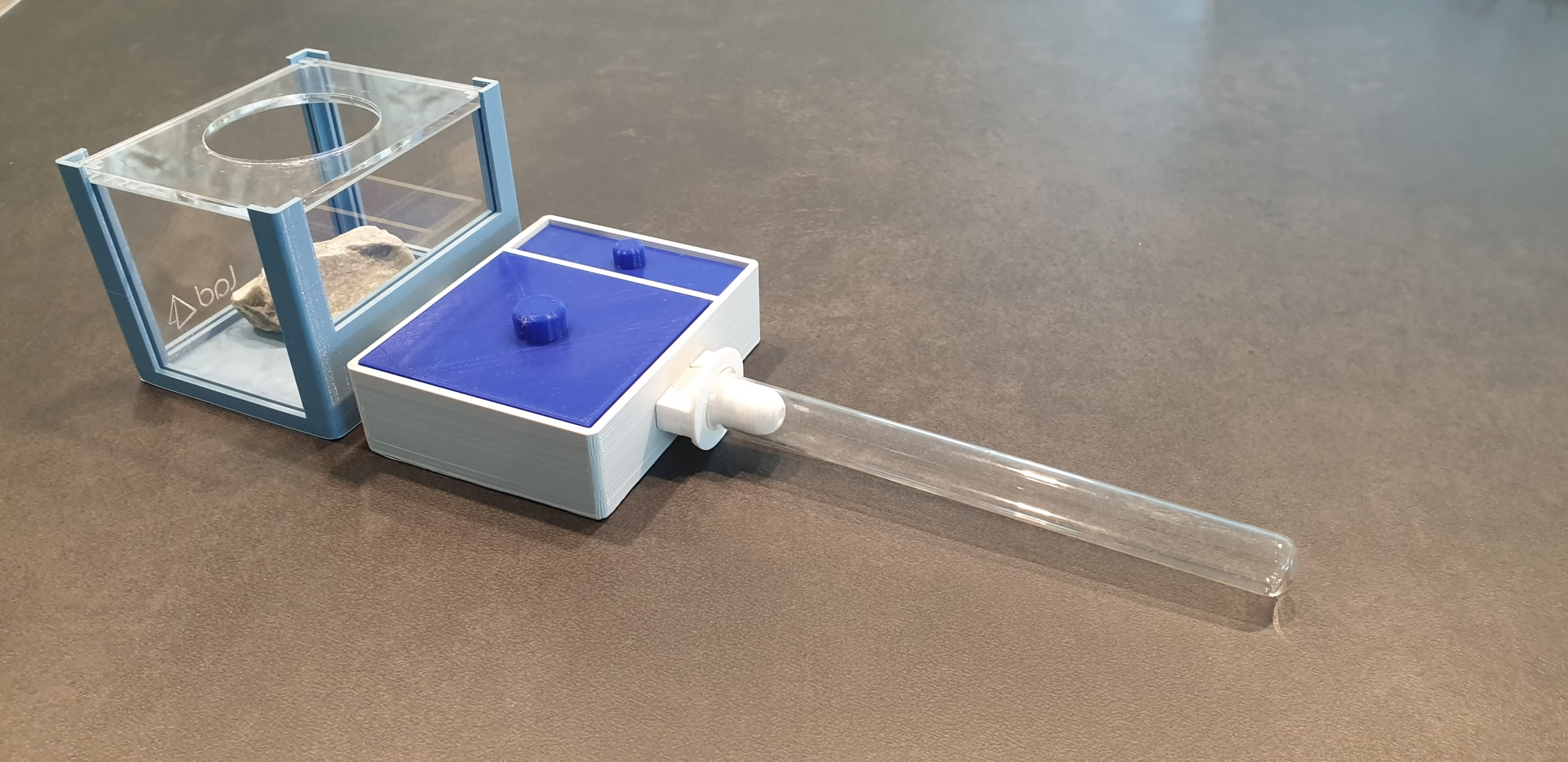
Acrylic Small to medium colonies; species that dislike constant dampness Excellent viewing; modular kits; easy to clean and move Light stresses some species; can warp with heat; limited for very large colonies
3D-printed Tinkerers, staged expansion Highly customisable; scalable; hydration options can be designed in Print gaps create escape risk; some plastics degrade in sun; smooth walls need texture
Ytong (aerated concrete) Moisture-loving or larger species Holds moisture evenly; easy to carve; durable when sealed Heavy, dusty to sculpt; risk of mould if over-saturated
Test tube Founding queens and tiny early colonies Cheap, high humidity, low disturbance Very limited capacity; water must be monitored; mould risk over time
Naturalistic Digging species and display builds Authentic tunnelling; visually impressive; supports clean-up crews Harder to monitor brood; humidity and airflow trickier; higher escape risk if seals fail
Hybrid Experienced keepers wanting humidity gradients and viewing Combine acrylic viewing with Ytong hydration or printed expandability More connectors mean more potential failure points; pricier and more complex

How to choose the best ant nest: quick checklist

  • Match nest humidity to your species’ natural preference (see RH ranges below).
  • Plan for growth: can you expand the nest as the colony grows?
  • Decide how much viewing you want — some ants prefer darker, enclosed galleries.
  • Consider your skill level: naturalistic and hybrid builds need more attention.
  • Plan escape prevention from the start — smooth plastics, PTFE barriers and tight fittings matter.

Humidity targets — dry, variable and damp RH

Humidity is one of the most important, and most misunderstood, factors. Use these ballpark relative humidity (RH) targets when matching nests and hydration methods:

  • Dry nests: 20–40% RH — best for heat-loving, surface-nesting species (many Iridomyrmex and Myrmecia).
  • Variable or moderate nests: 30–60% RH — most generalist species (many Camponotus, Monomorium).
  • Damp or high-humidity nests: 60–85% RH — moisture-loving species, leaf litter specialists and many tropical natives (good for certain Polyrhachis and wet-forest species).

How to achieve those RH ranges in practical terms:

  • Dry acrylic setups: small local hydration, such as a 10 to 15 mL sponge or hydration block tucked into a corner, and good ventilation keeps RH low.
  • Variable setups: wick systems or capillary mats connected to a 30 to 100 mL reservoir give moderate RH without soaking the nest.
  • Damp Ytong: soak the Ytong lightly, then let excess drain. A 200 to 500 mL reservoir behind the block can provide slow release — monitor for condensation and mould.

1. Acrylic ant nests — the modern classic

Best for: beginners, display keepers, and species that prefer drier or controlled humidity zones.

Why people like them

  • Clear walls for easy observation of behaviour and brood development.
  • Many modular kits make upgrades straightforward.
  • Hydration can be localised to prevent the whole nest from becoming damp.

Tips and watch-outs

  • Darken the nest interior for shy species — thin card covers, removable blackout sheets or an enclosed cabinet work well.
  • Use hydration pockets, sponge inserts or connected Ytong rather than pouring water directly into chambers.
  • Keep acrylic out of direct sun and away from strong heaters to avoid warping and overheating.
  • When moving queens into a formicarium, follow cautious transfer steps — see Moving Your Queen Ant to a Formicarium.

2. 3D-printed nests — custom design and staged expansion

Best for: makers who want bespoke galleries, staged expansion, or experimental humidity channels.

Why use them

  • Design your chamber layout, depth and connectors, then iterate.
  • Easy to expand by printing extra modules and connecting them with tubes or adapters.
  • Hydration channels or reservoirs can be integrated during design.

Practical cautions

  • Post-process prints carefully: sand seams, fill small gaps with silicone, and seal where needed to prevent escapes.
  • Choose filaments that tolerate your local conditions: PLA for easy prints, PETG for greater temperature tolerance.
  • Add textured surfaces or sand strips for species that struggle on smooth walls.

Good sealing and finishing matter more than the print itself. Small gaps at joins can become escape routes very quickly.


3. Ytong formicariums — the moisture fortress

Best for: moisture-loving or larger species, and keepers who want long-term stable humidity without constant fiddling.

Why choose Ytong

  • Excellent moisture retention and slow, even release.
  • Easy to carve to create large chambers and wide tunnels.
  • Durable when sealed and paired with a protective acrylic cover.

Practical cautions

  • Heavy and messy to shape — use a mask and work outdoors.
  • Don’t saturate the block; aim for moist but not dripping.
  • Seal edges with a thin acrylic or silicone barrier to stop tiny workers escaping via porous outer surfaces.

Ytong suits species that need steady humidity, but it still needs ventilation and routine checks to avoid mould or waterlogging.


4. Test-tube setups — the starter home

Best for: founding queens and very small colonies.

Why they work

  • Quiet, high-humidity microclimate for egg laying and early brood care.
  • Cheap, portable and low disturbance for the critical founding phase.

Care notes

  • Check water every few days and replace the tube before mould appears.
  • When workers appear, prepare the next stage, such as a small formicarium or test-tube-to-formicarium transfer. Don’t force the move — offer a connected entrance and let them relocate naturally.
  • Follow our step-by-step setup if you’re unsure: Test Tube Setup for Queen Ants.

5. Naturalistic nests — for digging species and displays

Best for: real diggers (many Myrmecia species, some Polyrhachis), and display builders who want authentic tunnels and a bioactive environment.

Why people choose them

  • Allow genuine tunnelling and natural behaviours.
  • Visually impressive and pair well with clean-up crews, such as isopods and springtails, to manage waste.

Challenges

  • Harder to monitor the queen and brood; expect more hidden behaviour.
  • Hydration, ventilation and escape-proofing require careful design, including sealed lids, PTFE barriers and compacted substrate.
  • Rough silicone and tiny gaps are common escape routes — test thoroughly with a small worker group before adding brood.

Species example: Golden Spiny Ant (Polyrhachis ammon) does well in naturalistic builds when humidity and seals are correct.


6. Hybrid nests — the best of multiple worlds

Best for: keepers who want viewing, humidity control and long-term expandability, such as acrylic panels with an attached Ytong hydration block.

Why go hybrid

  • Custom humidity gradients: dry chambers for stores, damp chambers for brood or larvae.
  • Combine viewing with the moisture stability of Ytong or the custom geometry of prints.

Considerations

  • More connectors and materials mean more potential failure points — seal and test everything carefully.
  • Usually pricier and takes longer to get right; plan maintenance access when designing.

Practical tips for hydration, size and placement

Hydration methods

  • Wicks and capillary mats: thread a cotton wick from a 30 to 100 mL reservoir into a chamber for steady moderate RH. Useful in acrylic and printed nests.
  • Hydration chambers and reservoirs: small reservoirs of 50 to 200 mL connected via a tube to the nest, or sponge inserts for founders, make refilling easier without opening the nest.
  • Ytong blocks: dampen briefly, then let excess drain. A single medium block behind a nest can supply humidity for weeks if monitored.

Placement and light

  • Most ants prefer a stable, quiet location out of direct sun and drafts. Temperature swings and direct sunlight cause stress and condensation issues.
  • Reduce light for species that naturally live in dark galleries — use covers or keep the nest inside a cabinet with a viewing window.

Size guidance — nest volume and chamber suggestions

Plan nest size to match colony stage; moving gradually to larger, connected space is less stressful than a sudden all-in transfer.

  • Queen plus 0 to 50 workers: total nest volume 50 to 200 mL; 1 to 3 chambers. A test tube plus a small acrylic or single Ytong chamber is ideal.
  • 50 to 200 workers: 200 to 800 mL total; 3 to 6 chambers of mixed sizes. Acrylic or small hybrid/Ytong setups work well.
  • 200+ workers: 1 L+ total volume with multiple connected chambers or large carved Ytong/naturalistic systems. Naturalistic or Ytong/hybrid systems give space and moisture stability for larger colonies.

These are starting points — adjust based on species biology. A few deep chambers suit digging Myrmecia; many shallow galleries better match some Polyrhachis.


Escape prevention — practical measures

  • Use PTFE barriers or specialist ant-proof paints on smooth surfaces — reapply as needed. See Ant Escape-Proofing 101.
  • Seal connectors with silicone or O-rings; test openings with a handful of worker ants before moving brood.
  • Use a double barrier for agile climbers: mesh lid plus PTFE rim. Keep outworld lids secure and watch for wear.
  • Run a 24-hour escape test with a small group of workers and no food; any persistent wanderers are a sign you need better seals.

Maintenance and routine

  • Daily: quick check for outworld activity, food removal once eaten, and no fresh leaks or obvious escapes.
  • Weekly: top up hydration reservoirs, check ventilation and remove small mould spots immediately.
  • Monthly: deep clean removable outworlds, inspect seals, replace worn PTFE or reapply barrier paint, and inspect Ytong for wet spots or salt build-up.

Species-by-nest recommendations for common Australian genera

Below are general recommendations for some commonly kept Australian ants. Always check species-specific care guides when available.

  • Myrmecia (bull ants and jack ants): large, ground-nesting species that often prefer drier, deeper nests. Naturalistic or large Ytong with deep chambers works well. See the Jumping Jack Ant and Golden-Tailed Bull Ant guides for species notes.
  • Iridomyrmex (meat ants): warm and dry preferrers; acrylic or large dry naturalistic nests with good ventilation suit them. Check the Meat Ant care page.
  • Camponotus (banded sugar ants and relatives): generalists that like variable humidity and dark chambers — acrylic with removable dark covers, or hybrid setups. See the Banded Sugar Ant guide.
  • Polyrhachis (spiny and golden spiny ants): many species do well in naturalistic or humid hybrid setups; stable moisture and escape-proofing are critical. See the Golden Spiny Ant care guide.
  • Monomorium and small pavement ants: small colonies suit test tubes or compact acrylic nests; move gradually as they grow.
  • Pheidole, Ochetellus and other small genera: small acrylic or printed nests with good food access and a small hydration source are usually sufficient.

For beginner choices, see our list of Best Australian Ant Species for Beginners.


Troubleshooting and FAQ

Mould in the nest — what to do

For small mould spots, remove them with a cotton bud dipped in 70% isopropyl alcohol, taking care around ants. Increase ventilation slightly and reduce local humidity. For large infestations, move the colony to a clean temporary outworld and rebuild the nest. Never pour bleach into or onto a formicarium while ants are present.

Escapes — immediate steps

  • Secure outworlds and block connectors. Use a jar trap or closed container to temporarily keep workers contained.
  • Inspect usual escape routes: lid edges, silicone seams, tube connectors and any porous surfaces. Reapply PTFE or reseal with fresh silicone.
  • Run an escape test for 24 to 48 hours with a small worker group before returning brood.

Transferring a colony — quick tips

  • Offer a connected nest and let the colony move on their own timeline. Bribes, such as sugary drops near the new nest entrance, help.
  • For anxious transfers, move food and the queen’s preferred chamber first to entice relocation.
  • Consult our step-by-step moving guides for founding queens and larger transfers: Moving Your Queen Ant to a Formicarium and Upgrading Your Formicarium.

Final notes — match behaviour, not just looks

Choosing the right ant nest is as much about species biology as it is about aesthetics. Start small if you’re new, observe how your colony uses space, humidity and light, and expand using modular or connected systems. Thoughtful planning, and a bit of testing, will keep your ants healthy and your formicarium trouble-free.

What nest type has worked best for your Australian ants? The answer usually says more about the species than the gear.

Leave a Comment

Your email address will not be published. Required fields are marked *