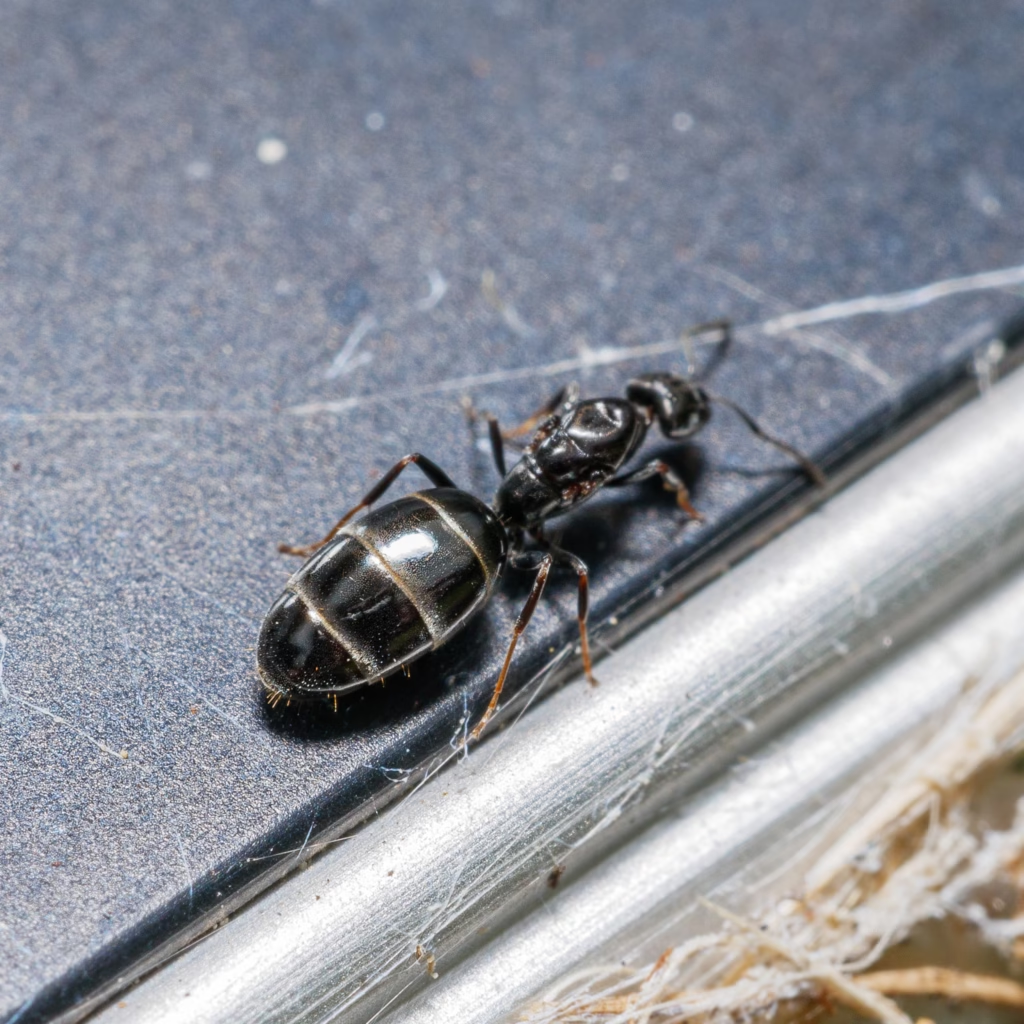
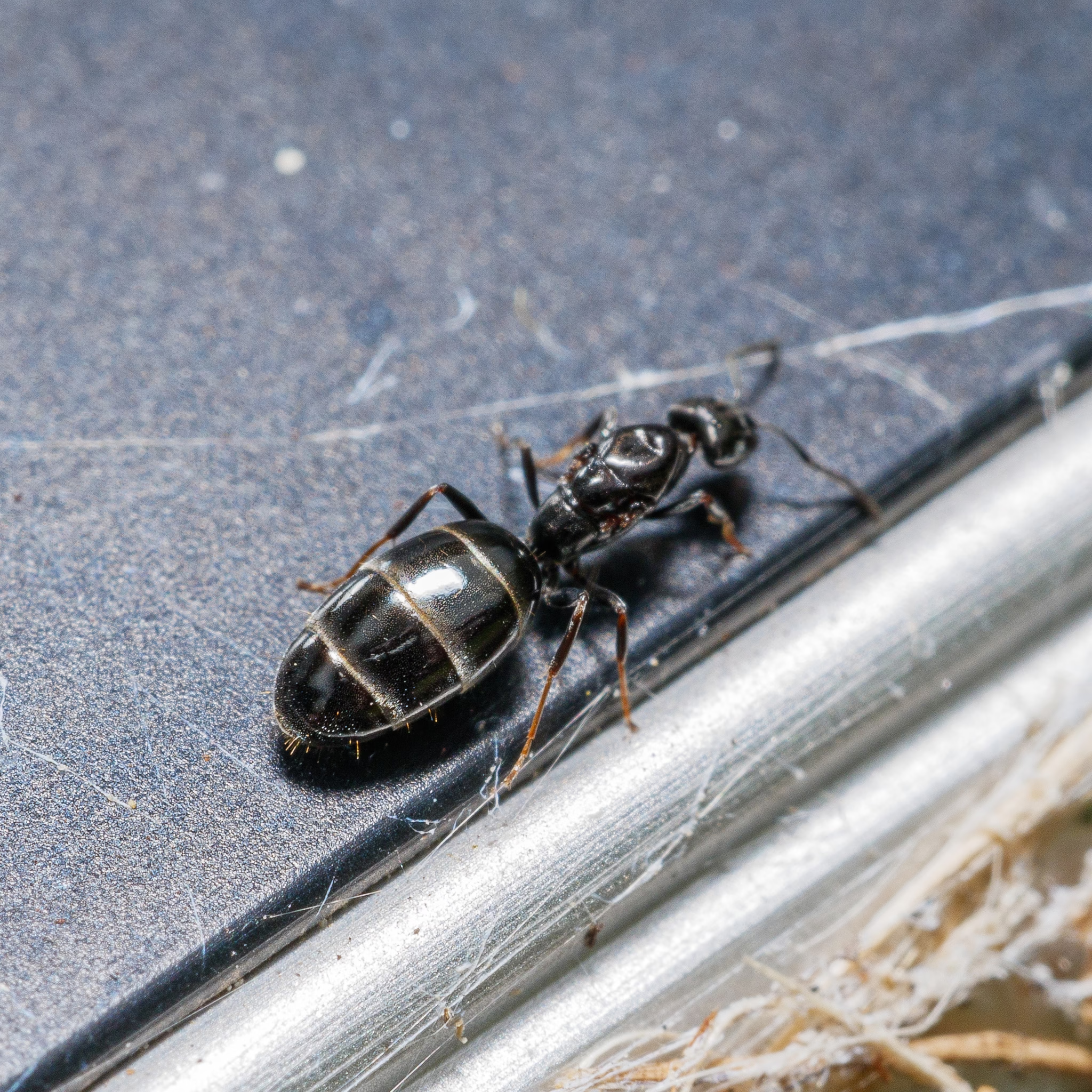
Black House Ant Care Guide (Ochetellus glaber)
A detailed guide to Ochetellus glaber: urban behaviour, sweet feeding, nesting habits, containment, feeding and why small ants are not always easy ants.
Ochetellus glaber, the black household ant or black house ant, is familiar to many Australians because it turns up around homes, gardens and buildings in search of food and water. That familiarity can make it seem like an obvious easy keeper, especially when someone finds a black house ant queen after rain. In reality, its small size makes it less forgiving than larger beginner species: the care is simple, but containment has to be excellent.
Quick answer: black house ant queen and care
If you have a small black house ant queen in Australia, Ochetellus glaber is one possibility, but tiny black ants are easy to mix up. Treat the colony as escape-prone: use tight cotton, fine ventilation, tiny sugar feeds, clean protein pieces and a secure outworld before the first workers start foraging. If you are not confident on ID, keep the setup generic and safe rather than making species-specific assumptions from one phone photo.
Best beginner takeaway: black household ants can be kept, but they are not “easy” just because they are common. They suit keepers who already understand small-ant barriers, clean feeding and escape-proof outworlds.
Quick care summary
| Scientific name | Ochetellus glaber |
| Common names | Black household ant, black house ant |
| Australian occurrence | Found in urban and rural areas in Australia. |
| Worker size | Small; AEPMA lists adults around 2.5–3 mm. |
| Diet | Strong sweet preference; also honeydew, insects, worms and some plant material/seeds. |
| Nesting | Often under stones, dry logs, garden material and sometimes around/inside buildings. |
| Beginner suitability | Possible, but better after learning escape-proofing. |
| Main risk | Escapes and household nuisance if containment fails. |
Identification notes
Searchers often ask about “black house ant queen” because queens are much easier to notice than workers. A likely queen should be larger and fuller-bodied than nearby workers, especially through the thorax, but wing scars and size alone are not enough for a confident species ID. Black household ants are small, dark, stocky ants. Pest-industry references note a prominent petiole/node as one feature used to distinguish them from white-footed house ants. For keepers, the practical point is this: small black ants are easy to misidentify, so do not build a care plan around a casual glance.
Black house ant queen checklist
| Size and build | Queen should look noticeably heavier than workers, with a fuller thorax and gaster. |
| Wings or wing scars | Helpful, but not absolute. Some queens keep wings for a while after mating. |
| Worker comparison | If workers are present, compare body shape rather than just colour. |
| Collection context | Note date, weather, suburb/region, whether she was near lights, pavement, garden edges or a nest entrance. |
| ID confidence | Use multiple clear photos and local records. Do not release or move ants between regions to “fix” a doubtful ID. |
Natural behaviour that matters in captivity
This species is strongly attracted to sweet foods and honeydew from sap-sucking insects. It is also comfortable around human environments, which is why it is often treated as a household pest. In captivity, that means sugar feeding is easy — but escape control is non-negotiable.
They are omnivorous, so protein still matters for brood. They may also interact aggressively with other ant species if disturbed, so keep colonies separated and do not share tools between setups without cleaning.
Founding and early care
Use a standard test tube setup with firm cotton. Because workers are small, prepare the next stage before workers arrive: tiny colonies can escape during the first feeding if the tube/outworld connection is sloppy.
- Use firm, tight cotton.
- Keep the tube dark and stable.
- Do not feed oversized protein pieces.
- Plan a small, sealed outworld before the first real feeding routine.
Feeding
Offer sugar in tiny, controlled amounts: sugar water, honey water or ant nectar on a feeding surface or in a micro feeder. Sticky spills are a bigger problem with tiny ants because they can trap workers and attract mould.
Protein should be small and clean: fruit flies, tiny mealworm pieces, cricket leg sections or other prepared feeder insects. Remove old protein quickly.
Housing and escape-proofing
For Ochetellus glaber, equipment choice matters more than nest appearance. Prioritise:
- tight lids
- fine mesh ventilation
- secure tubing
- smooth outworld walls
- fresh PTFE/Fluon or suitable talc barrier
- no decor touching escape surfaces
Do not keep them near open food, kitchens or places where an escape would be especially annoying. That sounds obvious, but it is exactly the kind of practical thing that saves headaches.
Small-ant containment checklist
- Test every tube join before workers arrive.
- Use ventilation mesh fine enough for tiny workers, not just larger Camponotus.
- Keep the outworld simple: fewer decorations means fewer escape bridges.
- Refresh barriers before they fail, especially in humid weather.
- Feed on removable foil or trays so sticky sugar does not spread.
- Read the ant barrier guide before moving a colony out of its founding tube.
Common mistakes
- Thinking small ants are easier: small workers make containment harder.
- Using large-ant gear: vents, ports and gaps may be too big.
- Messy sugar feeding: sticky food becomes a trap and mould source.
- Ignoring their pest behaviour: escaped workers can become a nuisance fast.
- Sharing tools: raises contamination and conflict risks between colonies.
- Overfeeding protein: tiny colonies only need tiny feeder pieces; large chunks rot before they are useful.
When black household ants are a poor first colony
Choose a larger beginner species first if you do not yet have a secure outworld, fine ventilation, reliable barriers or the patience to feed tiny portions. A banded sugar ant colony is often easier to physically manage because the workers are much larger, even if growth is slower.
Sources and further reading checked
- AEPMA — Black House Ant pest profile
- WA DPIRD black house ant fact sheet/search result
- Ant Keeping Australia prior guide and media
Related Ant Keeping Australia guides
- Known Native Australian Ant Species — source-of-truth species list and coverage map
- Best Beginner Ant Species in Australia
- What to Do with a Queen Ant After Capture
- Test Tube Setup for Queen Ants
- Ant Feeding Guide
- Formicarium Upgrade Guide
- Ant Barrier Guide
- Preventing Mites
Bottom line
Ochetellus glaber is interesting because it is a real Australian urban survivor, not because it is the easiest ant. Keep it only if your containment is good enough for tiny workers and you are disciplined with sugar and protein feeding.
Black household ant keyword FAQ
What is Ochetellus glaber?
Ochetellus glaber is the black household ant, a small Australian ant often noticed around homes and gardens. For keeping, its small size means escape prevention matters more than fancy nest design.
How do you identify a black house ant queen?
A black house ant queen is usually larger than workers, with a fuller thorax and may show wing scars, but some queens can keep wings for a while and many small black ants look similar. Use a clear container, magnification, location notes and multiple photos before deciding you have Ochetellus glaber.
Are black household ants easy to keep?
They can be interesting, but they are small and escape-prone. Beginners should use tight lids, fine mesh, careful feeding and a secure outworld before trying to manage a growing colony.
Is Ochetellus glaber a good beginner ant?
It can be a good learning species for someone who already understands containment, but it is not the safest first pick for a brand-new keeper. The workers are tiny, sugar-loving and good at finding gaps.
What do Ochetellus glaber colonies eat?
Like many ants, they use sugary foods for worker energy and protein for brood growth. Feed tiny portions, remove leftovers quickly and avoid wild insects that may carry pesticides or mites.
How do you stop black house ants escaping?
Use tight cotton, sealed joins, fine mesh, a simple outworld and a maintained PTFE/Fluon or talc-style barrier. Do not let sticks, tubing, plants or decoration touch the lid or barrier line.