
How to Find Queen Ants in Australia
A practical Australian guide to queen ant season, nuptial flight triggers, where to look, how to identify queens, and what to do after capture.
Finding queen ants in Australia is one of the most exciting parts of ant keeping. A single mated queen can start an entire colony, but success comes down to timing, weather, location and knowing what you are actually looking at.
This guide is built for beginners. It explains when queen ants fly, where to search, how to tell queens from workers and males, how to collect one safely, and what to do in the first 24 hours.
Quick answer: how to find queen ants in Australia
Look after warm rain, storms or humid weather, especially from spring through early autumn. Check footpaths, driveways, garden edges, street lights, pavement cracks and open ground for large ants walking alone. Carry test tubes, move gently, avoid bare-hand handling, and place the queen into a clean founding setup as soon as possible.
If you already caught one, jump to What to Do with a Queen Ant After Capture.
What is a queen ant?
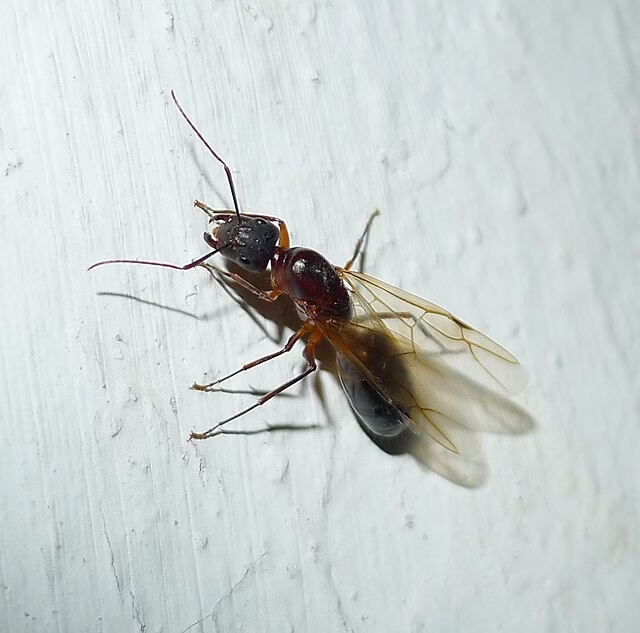
A queen ant is the reproductive female that can found a colony after mating. During a nuptial flight, winged queens and males leave mature colonies. After mating, many queens remove their wings and search for a nesting site.
A newly mated queen is often called a foundress queen. If she settles well, she can lay eggs and raise the first generation of workers.
When do queen ants fly in Australia?
Queen ants usually fly when weather conditions help them mate, disperse and start new nests. In many Australian regions, the strongest signs are warmth, humidity and recent rain. Exact timing depends heavily on species and local climate. For a deeper weather checklist, see Queen Ant Flight Season in Australia.
| Region | Typical beginner window | Common trigger |
|---|---|---|
| Sydney / NSW coast | Spring to early autumn | Warm humid afternoons, rain, storms |
| Melbourne / Victoria | Spring to autumn, shorter cooler windows | Mild warm days after rain |
| Brisbane / SE QLD | Warmer months, often storm-linked | Humidity, storms, warm evenings |
| Perth / WA | Spring into warmer months | Rain followed by warmth |
| Adelaide / SA | Spring through warm periods | Warm evenings after showers |
| Hobart / Tasmania | Shorter summer window | Mild warm weather |
| Darwin / tropical north | Wet-season influenced | Heavy rain and humidity |
Use these windows as a starting point, not a guarantee. A suburb with the right rain and temperature can fly while another nearby area stays quiet.
Late-season note: bull ants may still fly
By late autumn, the main beginner queen hunting season is often slowing down, but some bull ant species can still fly in suitable weather windows. Bull ants are impressive but higher-risk ants, so read the late-season queen hunting and bull ant safety guide before collecting one.
Best weather for queen ant hunting
- After rain: especially when the ground is damp but not flooded.
- Warm days: warmth helps trigger flights and post-flight searching.
- High humidity: humid air reduces drying risk for newly flown queens.
- After storms: stormy summer evenings can be excellent in many areas.
- Still or light wind: strong wind can reduce flight activity.
The classic beginner pattern is simple: rain, warmth, humidity, then queens walking alone.
Where to look for queen ants
- footpaths and driveways after rain
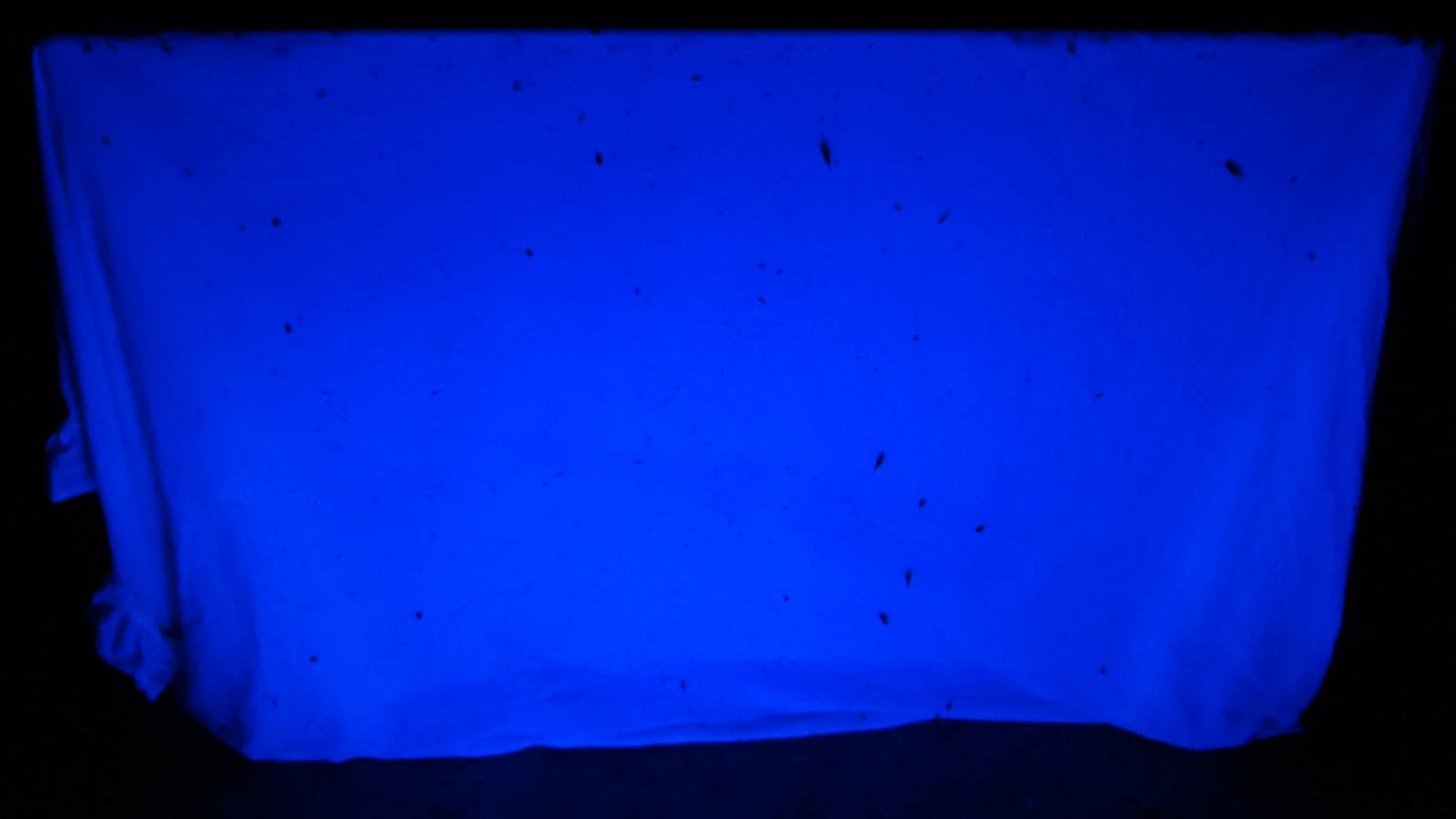
- street lights, porch lights and lit walls
- garden edges and lawn borders
- parks, bush edges and open soil
- pavement cracks and curb lines
- around known mature colonies after flights
Do not dig up nests to get queens. It damages colonies, often fails, and is a poor way to start the hobby. Queen hunting should focus on naturally dispersing queens after flights.
How to tell if an ant is a queen
Queens are usually larger and bulkier than workers of the same species. They often have a larger thorax because they had flight muscles, and mated queens may have wing scars where the wings broke off.
- Large thorax: the middle body section is chunky and muscular.
- Wing scars: small marks where wings were attached.
- Walking alone: dealate queens often walk alone after flights.
- Different body proportions: queens often look heavier than workers.
- Not just wings: winged ants can be queens or males, and not all are mated.
For visual comparison, see the native Australian ant species page and species care guides.
What to carry when queen hunting
- clean test tubes or small ventilated containers
- cotton wool
- a small torch or headlamp
- labels or a phone note for date/location/weather
- soft brush or card for gentle collection
- secure pocket/container so tubes do not overheat or roll around
For the full equipment list, use the Ant Keeping Gear Checklist for Beginners.
How to catch a queen ant safely
- Approach slowly and avoid casting sudden shadows.
- Guide her into a test tube or container using the opening, a card or a soft brush.
- Do not pick her up by the legs or body.
- Close the tube securely with cotton.
- Keep her cool, shaded and stable while you get home.
- Set up a proper test tube founding chamber as soon as practical.
Never collect ants you cannot safely house. This matters especially for fast, defensive or stinging species.
What to do in the first 24 hours
- move her into a clean test tube setup
- keep her somewhere dark, quiet and stable
- avoid constant checking
- do not feed fully claustral queens immediately unless the species requires it
- label the tube with date, location and likely species
If the tube floods, moulds, dries out or becomes unsafe, use the moving a queen ant to a new test tube guide.
Best beginner queens to look for
Not every queen is a good beginner colony. Some species grow quickly and tolerate simple setups. Others need specialist feeding, strict containment or serious sting precautions.
Before committing, read Best Beginner Ant Species in Australia.
Common queen hunting mistakes
- checking only in the middle of hot dry days
- collecting workers instead of queens
- assuming every winged ant is a mated queen
- overheating tubes in pockets, cars or direct sun
- feeding or disturbing queens too much
- moving queens into large nests too early
- collecting dangerous species without a safe plan
For more, see 10 Beginner Ant Keeping Mistakes.
FAQ: finding queen ants in Australia
What month is best to find queen ants in Australia?
There is no single month for all of Australia. Spring through early autumn is a useful beginner window for many areas, but tropical, coastal, inland and southern regions all behave differently.
Do queen ants fly after rain?
Often, yes. Warm rain and humidity are common triggers for nuptial flights. The best window can be after rain when the air is warm and queens are walking to find nest sites.
Can I keep any queen ant I find?
No. Some queens are difficult, risky or unsuitable for beginners. Bull ants, jumping jacks and other stinging species need much more care and secure containment.
Should I feed a queen ant after catching her?
It depends on the species. Fully claustral queens often raise their first workers without feeding, while semi-claustral queens may need food. If you are unsure, identify the species before feeding.
Bottom line
Finding queen ants in Australia is mostly about watching the weather and being ready. Warm, humid conditions after rain are your best signal. Keep your gear simple, identify carefully, avoid risky species as a beginner, and give any queen you collect a calm test tube setup rather than fussing over her every hour.
Queen ant Australia keyword FAQ
How do you find a queen ant in Australia?
Look after warm humid weather, especially after rain, when many species are more likely to fly. Check paths, lights, walls, pavement edges and open ground for dealate queens that have shed their wings.
When is queen ant season in Australia?
Queen ant season depends on species and location, but many Australian ants fly during warmer months, especially after rain or humidity changes. Local weather matters more than a fixed national date.
Can you buy queen ants in Australia?
Some Australian sellers offer queen ants, but live ant buying depends on state rules, biosecurity expectations, species and seller practices. Always check legality and avoid moving ants irresponsibly.
What should you do after finding a queen ant?
Place her in a suitable test tube setup, label the date and location, keep her dark and quiet, and avoid feeding unless the species or situation calls for it.
After you find a queen
Once you have a queen, move to the Queen Ant Test Tube Setup, then use the Starter Kit Guide before buying extra gear.






How common are banded sugar ant queens in Mount Gambier SA?