Quick answer
Jumping jack ants are fascinating but not a casual beginner species. They are active, visual, defensive and capable of painful stings with real allergy risk for some people. Keep them only in secure setups, use long tools, avoid bare-hand handling, and prioritise safety over display value.
This Jumping Jack Ant care guide (Myrmecia pilosula) is written for experienced hobbyists who understand containment and sting risk. It gives practical, down-to-earth advice on founding semi‑claustral queens, secure housing, feeding, seasonal care and troubleshooting — with safety anchors and a short timeline to set expectations.
Safety first — venom, household risk and first aid
Jumping Jacks carry potent venom and are a documented cause of severe allergic reactions (notably in Tasmania). If anyone in your household has an insect-sting allergy, do not keep this species. Never handle colonies directly — use transfer boxes, long forceps and secure catch methods.
- Before you start: Check household allergy risk and local rules for collecting/keeping native wildlife (see Legal & permits below).
- Handling: Tools only. No fingers. Treat the colony as an escape and sting risk at all times.
- First aid summary: Clean the sting site, apply a cold pack for pain and swelling, use oral antihistamines for minor reactions, and seek urgent medical help for any signs of anaphylaxis (wheezing, throat tightness, dizziness). For detailed guidance see our Ant Stings & Bites page: Ant Stings & Bites in Australia. The Tasmanian Department of Health also has a dedicated Jack Jumper allergy page (useful background).
Quick species overview
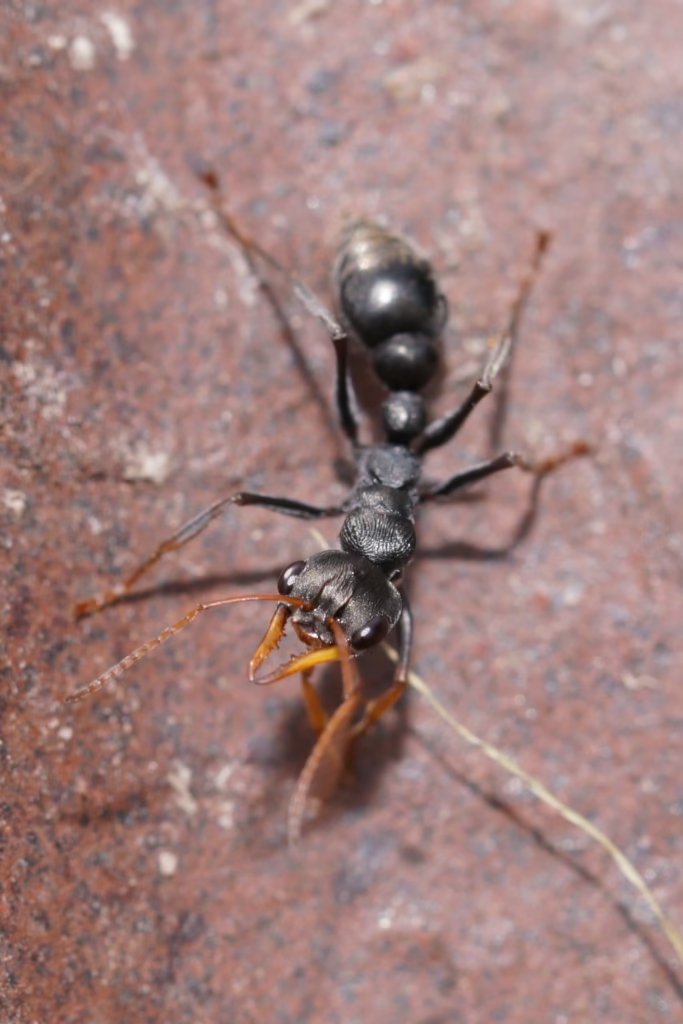
Jumping Jack ants (Myrmecia pilosula) are large, visually oriented daytime hunters noted for rapid movement and occasional jumping. Queens are semi‑claustral (they must feed while founding), colonies are monogynous (single queen), and workers are fairly large (10–14 mm). This guide assumes you’re familiar with basic ant‑keeping; if you’re newer, read core care guides first.
When to look for queens (nuptial flights)
Seasonally, nuptial flights occur in spring to early summer. Queens are fast and ground‑active; they tend to run across open ground, searching for a nest site more than flying long distances. Typical conditions: warm days following rain, late afternoon to early evening.
Tip: be ready with a small sealed collecting box and a prepared founding tube or tub to minimise handling stress.
Founding queens — semi‑claustral care (test‑tube & tub options)
Because Jumping Jack queens are semi‑claustral, they need small live prey during founding. The usual “closed” test‑tube setup should be adjusted so the queen can access tiny prey or an outworld without losing humidity.
- Tube/tub choice: Use a slightly larger tube (20 mm+ internal diameter) or a test‑tube connected to a small outworld/tub so the queen can feed. See our step‑by‑step test‑tube setup for queens for materials and sealing tips: Perfect test‑tube setup.
- Water: A cotton‑sealed water reservoir provides humidity while keeping the queen dry.
- Feeding: Offer tiny live prey (fruit flies, pinhead crickets, small larvae) every 2–3 days and a sugar source. Immobilise overly active prey briefly if it risks injuring the queen.
- Temperature & disturbance: Keep around 24–28 °C for founding and avoid frequent checks — disturbance commonly causes failed founding.
- When to move to a formicarium: Consider a transfer once the colony has ~15–20 workers and brood is present; transfer carefully with a sealed catch box and escape‑proof work area.
Housing — secure formicarium tips
Containment is paramount. Jumping Jacks can jump, climb and are fast — design your setup accordingly.
- Nest materials: Acrylic viewing nests or Ytong (aerated concrete) both work; deeper chambers are helpful for larger workers.
- Outworld & feeding ports: A small, lockable outworld for live prey reduces escape risk; connect via a tight, well‑sealed tunnel.
- Escape prevention: Use PTFE (Fluon) on inner vertical walls, secure lids and gasketed ports. Our Ant Barrier Guide has detailed barrier options: Ant Escape‑Proofing 101.
- Ventilation & substrate: Small vents are fine; avoid large mesh openings. Use a sand/loam mix for naturalistic burrowing or moisture trays for acrylic nests.
If you want a bioactive environment, read How to Build a Bioactive Formicarium in Australia for substrate, plants and cleanup‑crew advice — but be cautious adding invertebrates that could prey on your ants or introduce mites.
Feeding & nutrition
These ants are primarily predators but will take sugars. A mixed diet keeps workers fit and encourages brood production.
- Protein: Small live prey such as pinhead crickets, tiny roaches, fruit flies and mealworm pieces (breeding mealworms is a handy long‑term feeder source: Breeding Mealworms).
- Sugars: Honey water or sugar water in a micro‑dish or soaked cotton; refresh regularly to avoid mould and drowning.
- Frequency: Protein every 2–3 days for active colonies; sugar daily or every few days. Reduce protein in cooler months.
- Hygiene: Remove uneaten prey within 12–24 hours.
See the full feeding guide for detailed menus and recipes: Ultimate Ant Feeding Guide.
Seasonal care & activity cycles
No true hibernation, but expect reduced activity in cooler months. Maintain lower temperatures and cut back protein feeding during winter.
- Active: 24–28 °C (founding/peak season).
- Cool months: 18–20 °C, keep sugar available and reduce disturbances.
Colony growth timeline (approximate)
Growth varies with feeding, temperature and queen health. The table below gives a rough idea so you can plan housing and expectations.
| Stage | Typical time after founding | What to expect |
|---|---|---|
| Egg to first workers (nanitics) | 6–12 weeks (approx.) | Small first workers take over feeding; slow but steady progress if queen fed adequately. |
| Established founding | 3–9 months | 15–50 workers possible; consider larger test tube or small formicarium. |
| Young colony | 1–3 years | Colony expands chambers and foraging; reproductive production may begin in later years. |
For more on lifecycle stages and expectations, see our detailed guide: Understanding Ant Colony Growth Stages.
Common problems & troubleshooting
- Queen not laying: Often caused by disturbance, low temperature or insufficient feeding during semi‑claustral founding. Raise temperature slightly and reduce checks; offer tiny prey.
- Escapes: The top cause of headaches. Recheck PTFE coatings, lids, tube fits and feed ports. Use double sealing on transfers.
- Mites & pests: Quarantine new feeder cultures and remove mould promptly. Prevention and hygiene are the best defences (see Preventing Mites guidance on the site).
- Aggression/stress: Review nest size, humidity and food availability. Overcrowding or an overly barren outworld can cause constant skittish behaviour.
Legal & ethical considerations — fast checklist
Rules vary by state and by collection location. As a practical checklist:
- Do not collect from national parks or protected areas without permission — permits are commonly required for research or collection in reserves.
- Contact your state environment department or local council if you’re unsure. If you plan to keep or breed ants long‑term, check local regulations ahead of time.
- Never release captive ants into the wild — rehome to a local keeper or a relevant club if you must stop keeping them.
If you want a quick starting approach rather than a legal deep dive: assume you need permission to collect from protected land, and collecting from roadside or private property should be done with landowner consent.
Observation tips, record keeping & community help
- Keep a simple log (capture date, founding notes, feeding and brood counts).
- Photograph progress — good images help ID and troubleshooting.
- Ask for help from your local ant‑keeping groups before attempting risky transfers; many keepers are happy to mentor or re‑home colonies.
FAQ
Are Jumping Jacks suitable for beginners?
No. Their sting and semi‑claustral founding make them a species for experienced keepers comfortable with strict containment and live‑prey feeding.
How likely are severe allergic reactions?
Severe reactions can occur; if you have any history of insect‑sting allergy, do not keep these ants. For first aid and prevention see our Ant Stings & Bites page.
When should I move a founding queen to a formicarium?
Move once you consistently see ~15–20 workers and the nest feels crowded — always use a sealed transfer method and an escape‑proof workspace.
Can I keep them in a bioactive formicarium?
Yes, but be cautious: choose cleanup crew species that won’t attack brood or ants and monitor mites closely. See our bioactive formicarium guide for planning.
Final thoughts
Jumping Jack ants (Myrmecia pilosula) are rewarding for experienced keepers who take a safety-first approach. They are active, visually interesting, and require reliable containment, live-prey feeding during founding and steady, patient care as colonies grow. If you’re new to semi‑claustral queens or nervous about stings, practice with less risky species first.
Helpful internal links: test‑tube setup, feeding guide, stings & first aid, escape‑proofing barriers, colony growth stages.
Related Ant Keeping Australia guides
- Known Native Australian Ant Species — source-of-truth species list and coverage map
Sources and further reading checked
Jumping jack ant keyword FAQ
What is Myrmecia pilosula?
Myrmecia pilosula is commonly known as the jumping jack ant or jack jumper ant. It is an Australian bull ant relative known for strong vision, active movement and a medically important sting risk.
Are jumping jack ants dangerous?
Jumping jack ants can be dangerous, especially for people allergic to their venom. They should not be treated like a casual beginner species, and anyone keeping or observing them needs to take sting risk seriously.
How big are jumping jack ants?
Jumping jack ants are medium-sized ants compared with many tiny household species, with active workers that are large enough to observe easily. Size varies by individual and colony, but behaviour and sting risk matter more than exact millimetres for keepers.
Are jumping jack ants good for beginners?
No. They are better left to experienced keepers or observation in the wild. Beginners should start with calmer, less risky species before considering any Myrmecia.